



By Christy McFerren
Table of contents
- Historical Trailblazers: Courage Before Equal Rights
- 1. Grace O’Malley (c. 1530–c. 1603)
- 2. Mary Read & Anne Bonny (Early 1700s)
- 3. Mary Ann Brown Patten (1837–1861)
- 4. Eleanor Prentiss Creesy (1825–1900)
- 5. Krystyna Chojnowska-Liskiewicz (1936–2021)
- 6. Naomi James (b. 1949)
- 7. Kay Cottee (b. 1954)
- 8. Laura Dekker (b. 1995)
- 9. Jessica Watson (b. 1993)
- 10. Polly Powrie (b. 1987)
- 11. Cole Brauer (b. 1994)
- 12. Laura Grondin — J/70 World Champion (2025)
- 13. Jiang Lin — First Female Sydney to Hobart Overall Winner (2025)
- Timeline of Historic Women Sailors
- Celebrating International Women’s Day: Honoring Women Who Sail
- The Sea as a Symbol of Equality
- Modern Achievements and March 8 Reflections
- How the Sailing Community Can Participate
- Enter to win a spot at the 2027 Women’s North U Performance Race Week
- Looking Ahead: Full Sail Toward Equality
- Join The Discussion
For centuries, the world’s oceans have been arenas of exploration, challenge, and adventure — historically dominated by men. Yet from the Age of Sail through the modern era of solo circumnavigations and Olympic competition, women have charted courses that forever altered our understanding of what’s possible on the water. Their stories encompass piracy and exploration, groundbreaking competitive achievements, and feats of courage and perseverance that defy limits of gender, age, and expectation.
This feature celebrates over five centuries of remarkable women sailors — from 16th-century sea captains to 21st-century record breakers — and concludes with a call to honor these achievements each year on International Women’s Day (March 8).
Historical Trailblazers: Courage Before Equal Rights
1. Grace O’Malley (c. 1530–c. 1603)
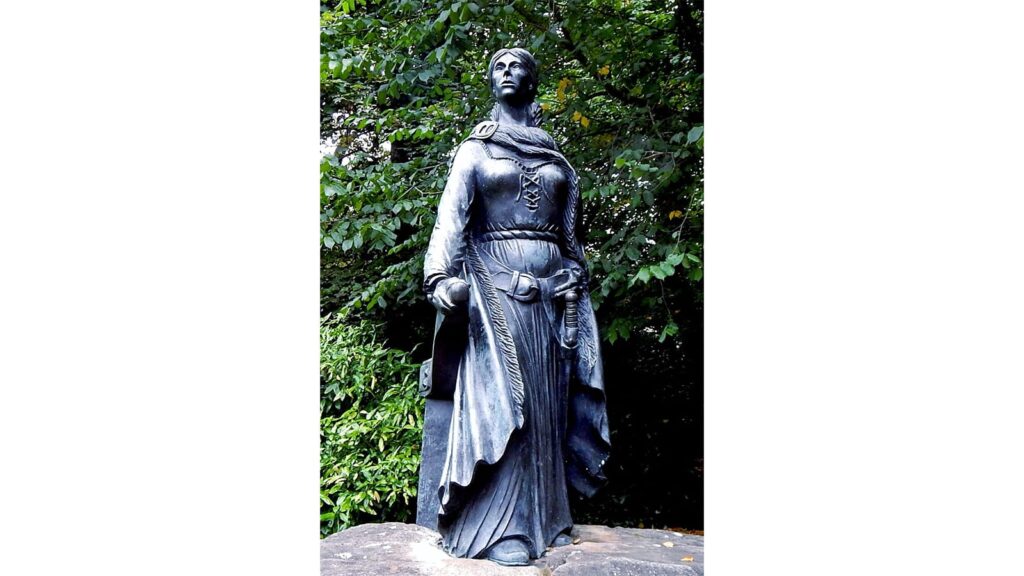
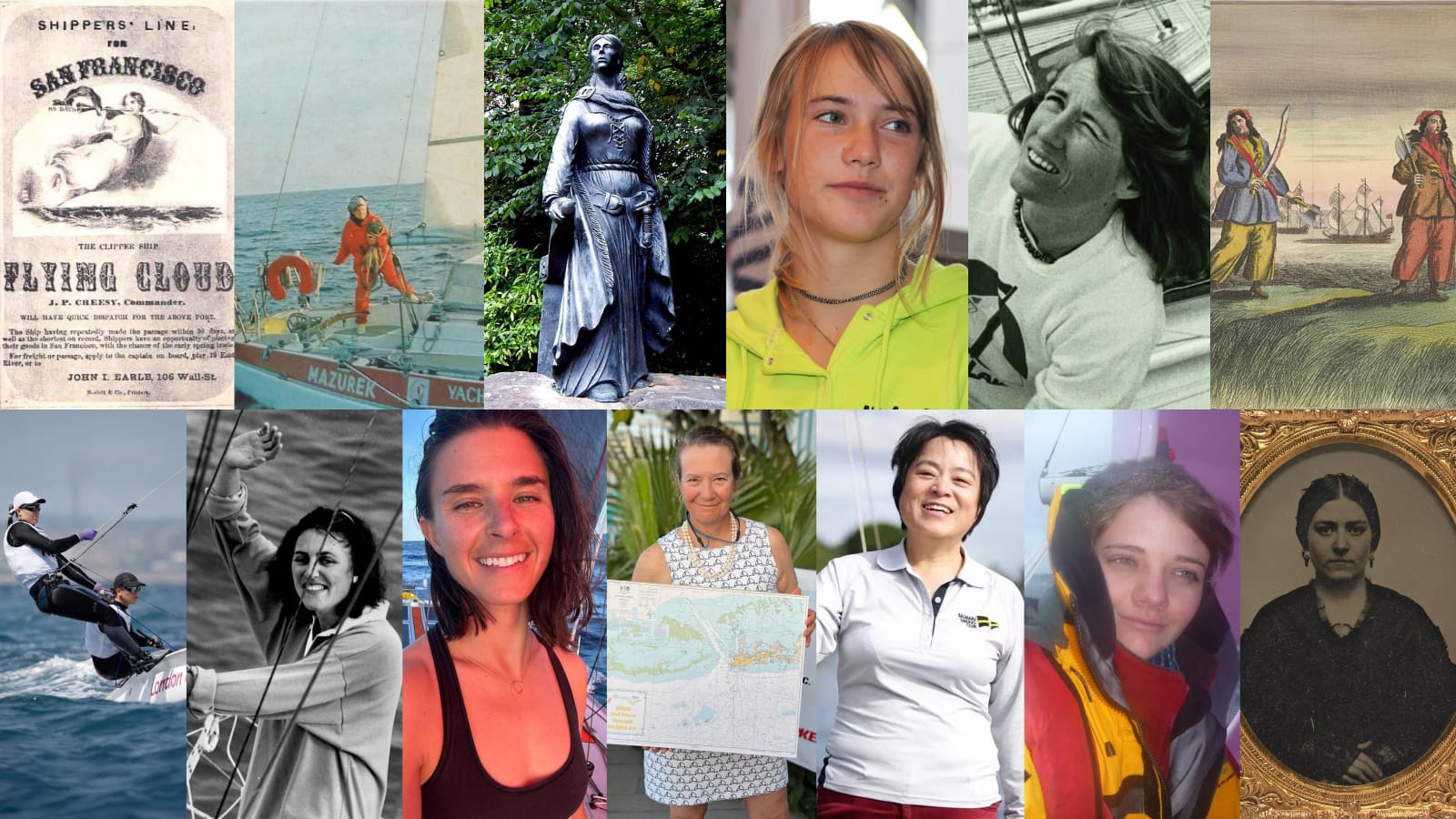
Grace O’Malley, also known as Gráinne Mhaol, emerged from a family steeped in maritime tradition in 16th-century Ireland¹. From her youth, she displayed exceptional navigational skills, mastering the unpredictable Atlantic currents and treacherous rocky coasts of western Ireland. By her early teens, she was commanding small vessels, supervising crews, and negotiating with merchants, demonstrating leadership uncommon for women in her era².
O’Malley’s life exemplifies the blend of diplomacy and tactical acuity necessary for maritime leadership. Her most famous encounter came in 1593 when she sailed to England to meet Queen Elizabeth I. Rather than bowing or yielding to social expectations, she negotiated directly for the release of her family members and for the continuation of her fleet operations³. At sea, she orchestrated raids, traded strategically, and defended her coastal territories with a fleet of galleys, displaying remarkable seamanship under the harsh conditions of the North Atlantic.
Culturally, O’Malley challenged the rigid gender norms of her era. Her achievements set a precedent for women asserting authority on the water, blending courage, intellect, and technical sailing skill. Her legacy continues to inspire contemporary sailors who navigate both literal and metaphorical storms, proving that the ocean has long been a realm of opportunity for those daring enough to take the helm¹.
References:
¹ Biography of Grace O’Malley
² History of Grace O’Malley and Elizabeth I
³ Irish Maritime History
2. Mary Read & Anne Bonny (Early 1700s)
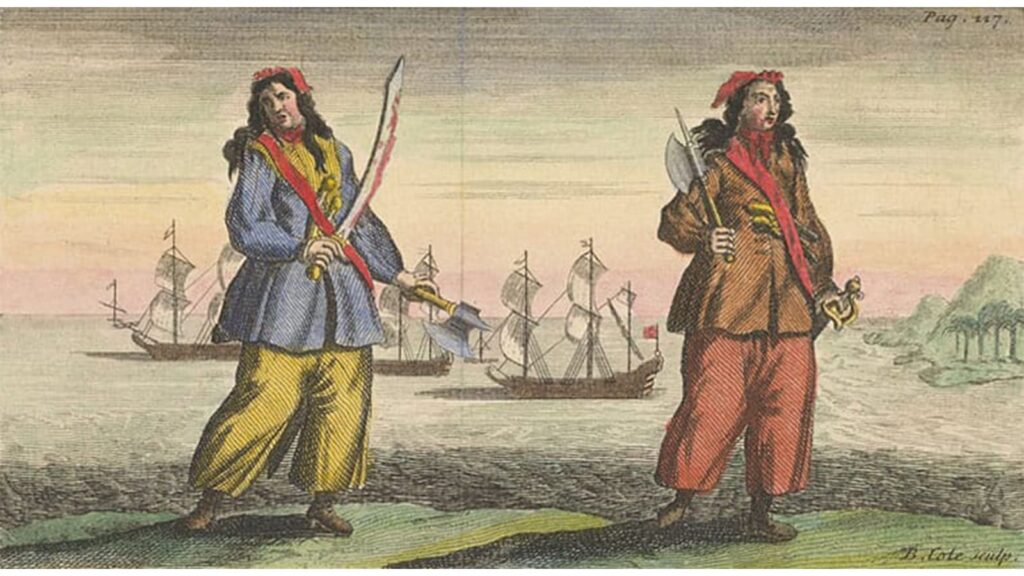
Mary Read and Anne Bonny are among the most notorious female pirates of the Caribbean, operating during the early 18th century¹. Both disguised themselves as men to serve aboard pirate ships, taking active roles in combat, navigation, and command decisions. Their daring was not simply performative; they engaged in boarding actions, led raids, and demonstrated exceptional ship-handling skills².
Read, raised in a military-influenced environment, was proficient in small arms and seafaring techniques. Bonny, known for her fiery temperament and intelligence, displayed tactical ingenuity and inspired crews with her decisiveness³. Together, they challenged societal expectations, proving that women could operate effectively in high-stress maritime environments traditionally reserved for men. Their capture and subsequent trials exposed the gender-based double standards of the time but also cemented their legendary status in maritime history.
Their legacy extends beyond the tales of piracy. Read and Bonny exemplify how resourcefulness, courage, and tactical knowledge can allow women to thrive in physically demanding and socially restrictive arenas. Today, their stories resonate in modern sailing culture, encouraging women to embrace leadership roles on and off the water¹.
References:
¹ Mary Read Biography
² Anne Bonny Biography
³ Caribbean Piracy History
3. Mary Ann Brown Patten (1837–1861)
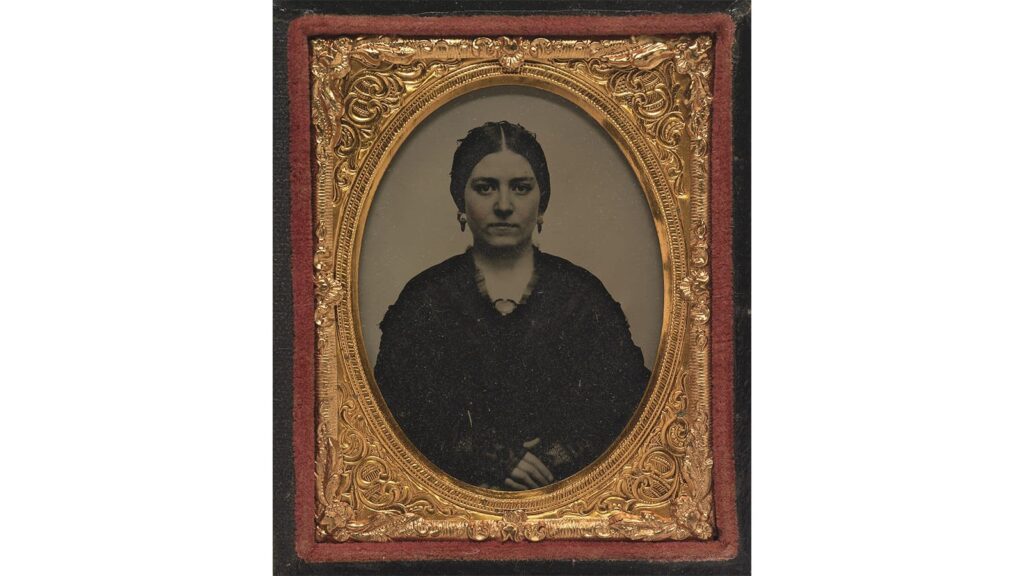
Mary Ann Brown Patten’s life became a defining example of skill, courage, and leadership at sea. At just 19 years old, she was aboard the clipper Neptune’s Car when her husband, the ship’s captain, fell gravely ill. Faced with freezing waves and storms around Cape Horn, she assumed command, guiding the vessel safely to San Francisco¹. Her story exemplifies the combination of tactical seamanship and resilience needed to succeed in high-risk maritime endeavors.
Patten’s expertise extended beyond navigation. She supervised sail adjustments in severe weather, managed crew morale, and balanced the ship’s course to maintain both speed and safety². This required mastery of celestial navigation, reading barometric pressure, and interpreting the behavior of the sea and wind. By all accounts, her command decisions were precise, methodical, and fearless, demonstrating that leadership was not confined to male captains³.
Her voyage holds enduring significance. It challenged prevailing social norms and inspired subsequent generations of women to pursue maritime careers. Patten’s story highlights the evolving role of women in navigation and shipping, illustrating how intelligence, courage, and technical skill can triumph over adversity and societal restrictions¹.
References:
¹ Mary Ann Patten Biography
² Clipper Ship History
³ Maritime Navigation Records
4. Eleanor Prentiss Creesy (1825–1900)
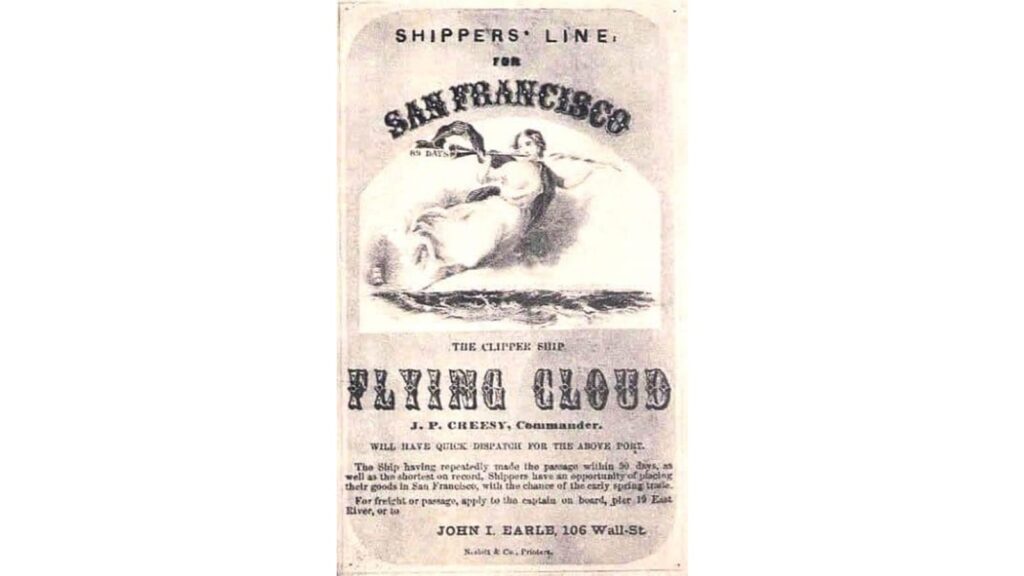
Eleanor Prentiss Creesy was a pioneering navigator whose skills propelled her into the annals of maritime history. Born in Massachusetts in 1825, she married Josiah Creesy, captain of the famed clipper Flying Cloud. Unlike many women of her era, Eleanor was formally trained in mathematics and navigation, a rare accomplishment that allowed her to calculate precise courses during long voyages¹.
Her most notable achievement came in the 1850s when she navigated Flying Cloud on record-setting runs from New York to San Francisco. The route required rounding Cape Horn, widely considered one of the most treacherous passages in the world, with freezing seas, gale-force winds, and unpredictable currents². Creesy’s mastery of celestial navigation and careful use of chronometers and sextants allowed the Flying Cloud to set a record of 89 days 8 hours — a feat unmatched for decades³.
Beyond technical mastery, Creesy’s presence challenged the prevailing norms for women in maritime professions. She demonstrated that leadership and skill at sea were not inherently male attributes. Her contribution extended to mentoring the crew on navigation principles, helping to improve efficiency and safety. Her meticulous logs and charts offered critical insight into mid-19th-century clipper operations, leaving a lasting educational legacy. Eleanor Prentiss Creesy remains an emblem of women’s intellectual and technical prowess at sea.
References:
¹ Eleanor Creesy Biography
² Flying Cloud Records
³ Cape Horn Navigation
5. Krystyna Chojnowska-Liskiewicz (1936–2021)
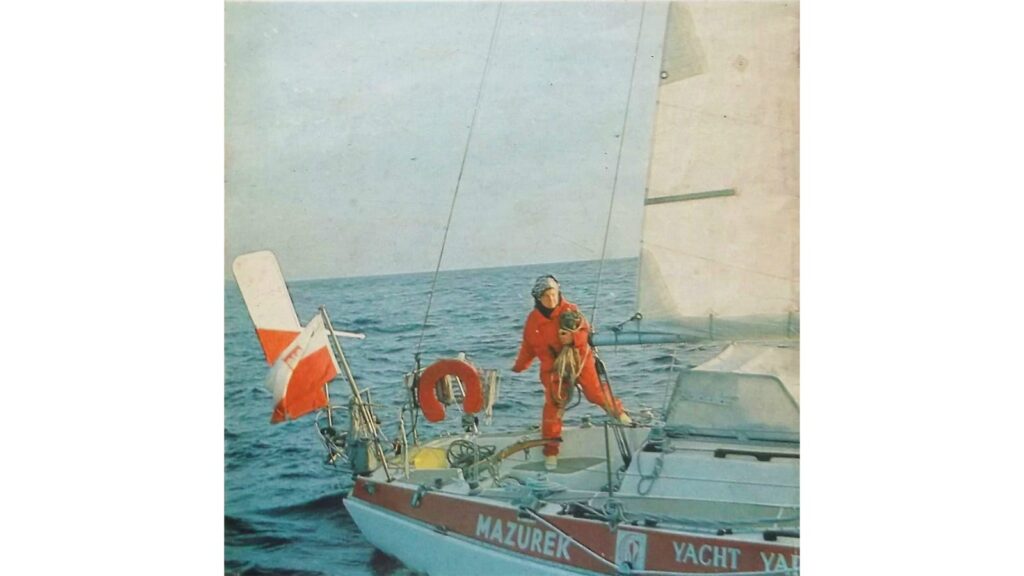
Polish naval engineer Krystyna Chojnowska-Liskiewicz became the first woman to complete a solo circumnavigation of the globe between 1976 and 1978¹. She sailed 31,000 nautical miles aboard the 9-meter sloop Mazurek, tackling the Atlantic, Indian, and Pacific Oceans with determination and technical precision. Her journey took her through treacherous weather, massive swells, and the challenge of navigating alone without modern GPS².
Chojnowska-Liskiewicz relied on celestial navigation, her knowledge of wind patterns, and meticulous planning to overcome mechanical failures and storms. Her approach combined scientific calculation with practical seamanship — she repaired sails and rigging on the fly, balanced provisions for a voyage lasting over a year, and maintained her mental resilience through isolation³.
Her achievement was both a personal triumph and a cultural milestone. In a male-dominated sport, she demonstrated that women could master the extreme technical and physical demands of long-distance sailing. Her circumnavigation inspired a generation of female sailors, emphasizing that preparation, intelligence, and courage are the cornerstones of success at sea. Chojnowska-Liskiewicz’s legacy continues to resonate in modern solo racing and ocean exploration programs.
References:
¹ Krystyna Chojnowska-Liskiewicz
² Solo Circumnavigation History
³ Mazurek Voyage Details
6. Naomi James (b. 1949)
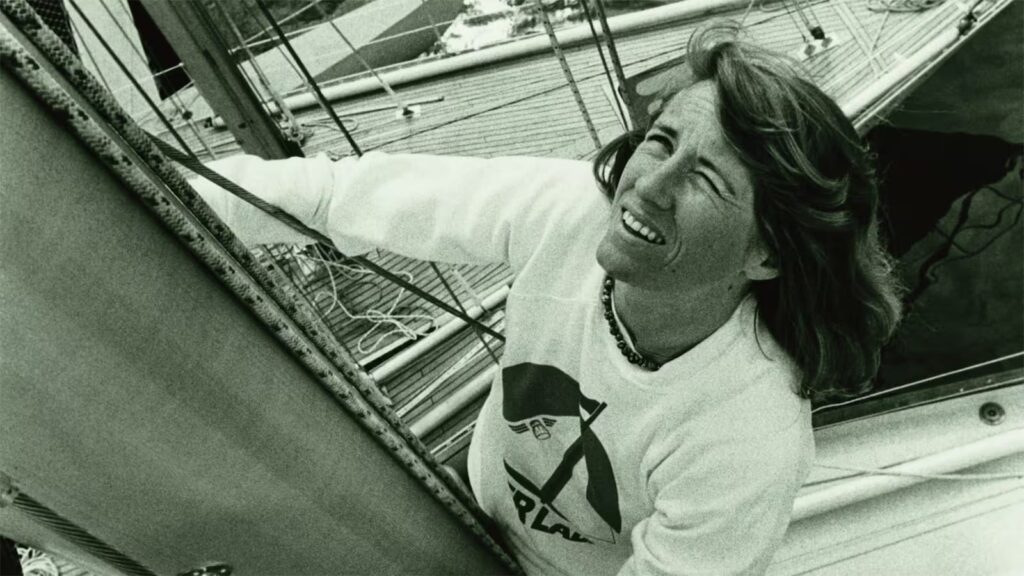
New Zealand’s Naomi James made history in 1978 by completing a solo circumnavigation that included rounding Cape Horn, a notorious challenge for sailors due to high seas and violent winds¹. Her route aimed to beat Sir Francis Chichester’s previous record, and she succeeded, finishing the voyage in 272 days aboard the 12-meter sloop Express Crusader.
James demonstrated remarkable technical and mental skill. She managed all aspects of sailing — navigation, sail changes, repairs, provisioning, and watchkeeping — entirely on her own². Facing freezing temperatures, storm surges, and equipment failures, she adapted quickly, using innovative techniques to maintain speed and safety. Her logs provide insight into storm tactics, route planning, and emergency management, serving as an educational resource for sailors today³.
Culturally, her success challenged gender norms in competitive sailing and highlighted women’s capability in solo ocean racing. James became an international symbol of determination, inspiring women to pursue ambitious sailing goals. Her journey remains a landmark in both sports history and maritime education.
References:
¹ Naomi James Biography
² Solo Circumnavigation
³ Cape Horn Navigation Challenges
7. Kay Cottee (b. 1954)

Australian Kay Cottee achieved a groundbreaking milestone in 1988, completing the first non-stop solo circumnavigation by a woman¹. Sailing the 14-meter ketch Blackmores First Lady, she faced 189 days of isolation, navigating through storms, doldrums, and the Southern Ocean’s extreme conditions.
Cottee’s approach blended meticulous planning with technical skill. She calculated optimal routes based on wind patterns, managed limited provisions efficiently, and repaired sails and rigging without assistance². Her mental fortitude was equally impressive; she endured isolation and fatigue, keeping meticulous logs and maintaining morale through structured routines³.
Cottee’s journey was a cultural milestone. It highlighted women’s capacity to compete at the highest level in extreme sailing and inspired global recognition for female solo sailors. Her achievement demonstrated that courage, preparation, and resilience were as vital as strength and technical knowledge in oceanic voyages. She received numerous awards for her accomplishment, including the prestigious Order of Australia, and remains a mentor for aspiring sailors.
References:
¹ Kay Cottee Biography
² Solo Circumnavigation Techniques
³ Blackmores First Lady Journey
8. Laura Dekker (b. 1995)
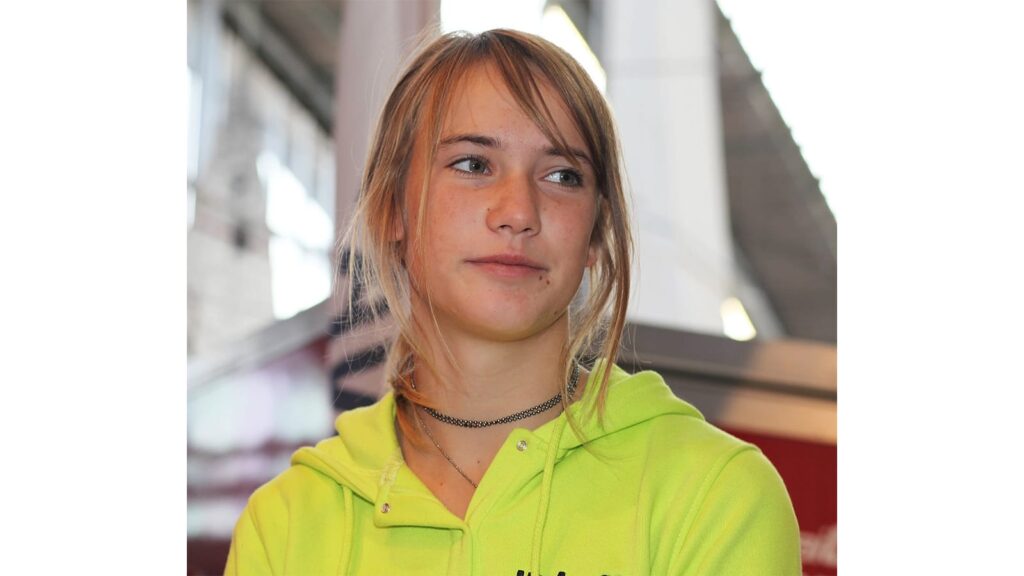
Dutch sailor Laura Dekker gained international attention in 2012 when she completed her solo circumnavigation at the age of 16¹. Sailing her 38-ft ketch Guppy, she spent nearly a year navigating 27,000 nautical miles, relying on a combination of traditional navigation techniques and modern GPS systems.
Dekker’s voyage demanded exceptional skill and maturity. She faced storms, engine failures, and periods of isolation that tested her mental resilience². She carefully balanced provisioning, weather planning, and sail management, documenting her journey through logs and media updates. Her ability to make strategic route decisions under pressure highlights both technical and cognitive skills critical to solo ocean racing³.
Dekker’s accomplishment was significant culturally as well. It challenged perceptions about youth, gender, and capability in sailing. Her success encouraged other young sailors, particularly girls, to pursue ambitious solo voyages. Beyond the feat itself, Dekker’s transparency about preparation, safety, and problem-solving provides a lasting educational resource for modern sailing programs.
References:
¹ Laura Dekker Biography
² Solo Circumnavigation Challenges
³ Technical Sailing Insights
9. Jessica Watson (b. 1993)
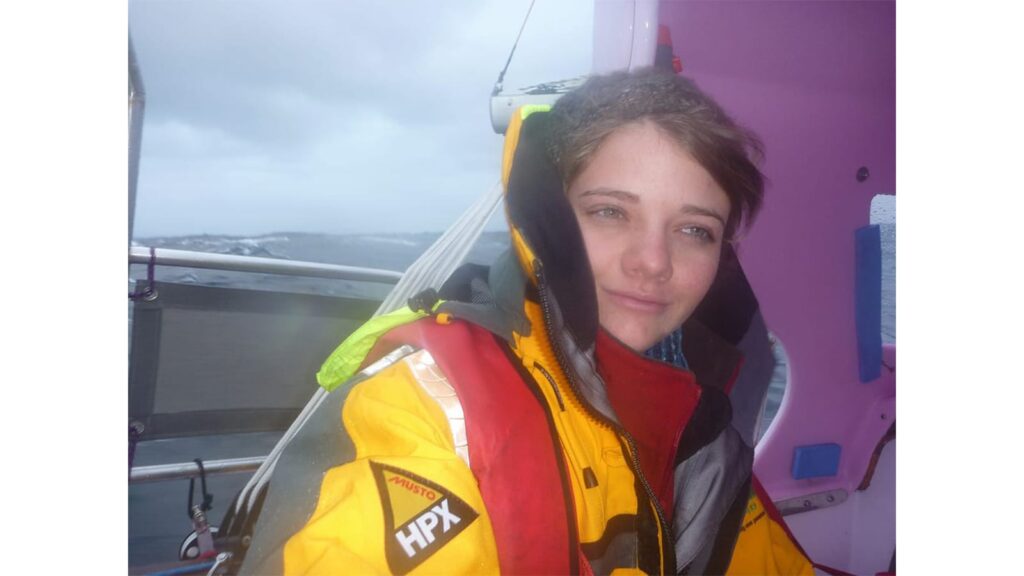
Jessica Watson’s journey from a curious teen to one of the most influential young sailors in modern history is a story of determination, resilience, and unwavering dreams. Born in 1993 in Australia, Watson’s fascination with the sea began at a young age. Encouraged by her family’s love of sailing and her own competitive spirit, she pursued increasingly challenging offshore passages throughout her youth. This passion culminated in 2009, when, at just 16 years old, she set off on her yacht Pink Lady to complete what would become one of the most talked-about solo voyages of the 21st century¹.
Over a grueling 210-day journey, Watson encountered some of the most remote and daunting parts of the world’s oceans — from the Roaring Forties of the Southern Ocean to the tricky shifts between trade winds near the equator — and survived multiple knockdowns and severe weather. Throughout the voyage, she relied on celestial navigation techniques, careful weather routing, and intense self-discipline to manage sleep, provisions, and equipment failures without external assistance. Watson’s ability to stay composed through gale-force winds and isolation demonstrated both her technical seamanship and mental endurance².
Upon her return, her accomplishment captured global attention and earned her the Order of Australia Medal (OAM) and the title of Young Australian of the Year. Watson’s voyage — also chronicled in her bestselling memoir True Spirit and an internationally released film — inspired countless young sailors and nonsailors alike. She continued to actively engage in sailing, skippering a youth team in the Sydney to Hobart Yacht Race and mentoring future generations. Beyond her sailing feats, she has served as a United Nations World Food Programme Youth Representative, highlighting how the spirit of ocean exploration can fuel positive global impact³.
References:
¹ Jessica Watson OAM profile
² Jessica Watson biography and documentary details
³ Sydney to Hobart participation
10. Polly Powrie (b. 1987)
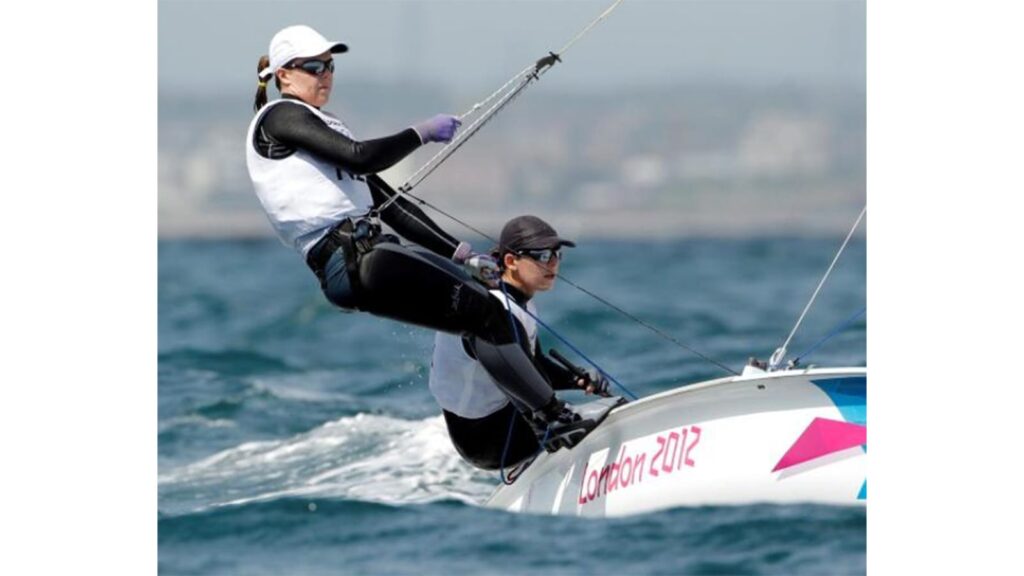
Polly Powrie’s sailing career represents excellence in teamwork, tactical race strategy, and sustained high-performance competition. Born Olivia Elizabeth Powrie in Auckland, New Zealand, in 1987, she rose through the ranks of dinghy sailing at a young age before pairing with fellow Kiwi sailor Jo Aleh in the Olympic-class 470 two-person boat¹. Their partnership, known colloquially as “Team Jolly,” became one of the most formidable duos in women’s sailing during the 2010s.
Powrie and Aleh’s synergy at the helm and on crew tactics was a defining factor in their success. They mastered the intricate teamwork required in 470 class racing — from coordinated tacks and optimized sail trim to strategic choices based on wind shifts and current patterns. Their peak achievement came at the 2012 London Olympics, where they won gold in the women’s 470 event, demonstrating tactical brilliance across a series of races against top international competition². The teamwork and trust between them — crucial in a class where split-second decisions can alter regatta outcomes — helped them consistently outperform their rivals.
Continuing their competitive excellence, Powrie and Aleh also claimed silver at the Rio 2016 Olympics and contributed to multiple world championship medals in the 470 class. Their accomplishments culminated in being named ISAF (World Sailing) Female World Sailors of the Year in 2013 — a first for New Zealand women¹. Beyond medals, Powrie’s legacy is one of persistence, strategic acumen, and elevating the profile of women’s competitive sailing worldwide. After retiring from Olympic campaigning in 2017, she has remained a respected figure in New Zealand sailing, helping to mentor and inspire the next generation of sailors³.
References:
¹ Polly Powrie biography
² Olympic medals and events
³ Polly Powrie Olympic history
11. Cole Brauer (b. 1994)

Cole Brauer’s name has quickly become synonymous with modern offshore solo racing. In 2023–2024, she achieved a milestone that redefined American women’s presence in solo ocean racing: finishing second overall in the Global Solo Challenge, becoming the first American woman to complete a nonstop solo circumnavigation in a major race aboard her Class40 boat First Light¹. The achievement was a testament to her physical endurance, navigational expertise, and capacity to manage intense psychological and technical challenges while isolated at sea.
During her 130-day journey around the globe, Brauer faced all the typical trials of blue-water sailing — towering waves, equipment failures, sleep deprivation, and severe weather systems — and overcame them with remarkable fortitude. She relied on advanced weather routing, meticulous sail and rigging maintenance, and solo watch management to keep First Light moving efficiently and safely through the Roaring Forties, Trade Winds, and equatorial calms alike¹. Her performance earned her recognition as Rolex Yachtswoman of the Year, one of the most prestigious honors in American sailing.
Brauer’s influence now extends beyond solo racing. In 2025, she joined Team Malizia, sailing with top professionals in high-performance offshore circuits, illustrating her growing impact on elite global sailing. Her journey from Newport, Rhode Island — where she honed her foundational skills — to the global stage symbolizes the expanding role of women in competitive ocean racing and inspires aspiring female sailors to push boundaries in traditionally male-dominated arenas².
References:
¹ Cole Brauer solo circumnavigation record
² Global Solo Challenge update
12. Laura Grondin — J/70 World Champion (2025)
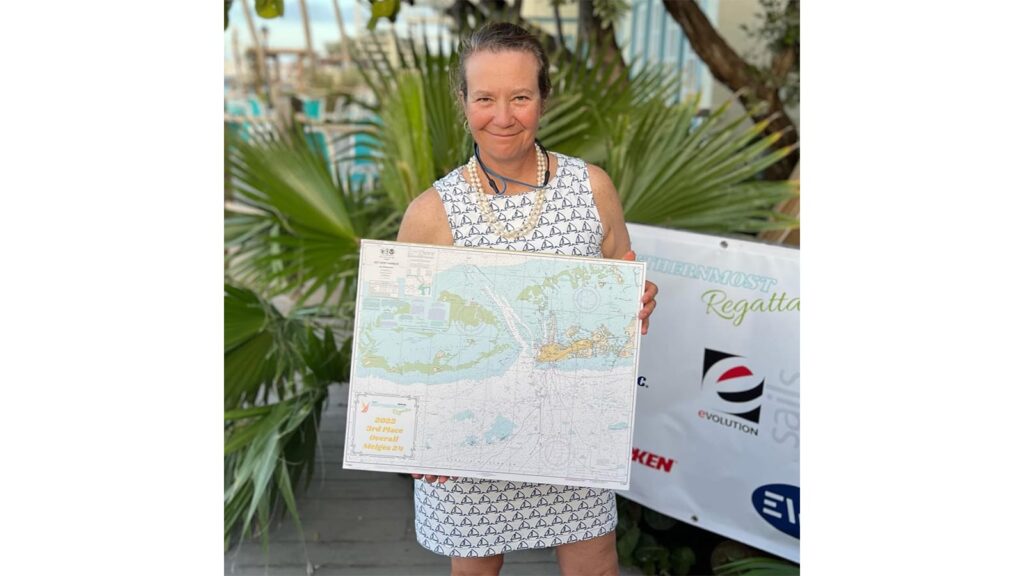
In 2025, Laura Grondin made sailing history by becoming the first female helmswoman to win the J/70 World Championship, a major milestone in one-design keelboat racing¹. Held in Buenos Aires, Argentina, this championship brought together a competitive fleet from around the world and featured tactical racing across variable conditions — from shifty winds on the Río de la Plata to tight tactical mark roundings where split-second decisions made all the difference.
Grondin’s performance was marked by consistency, weather reading, and tactical fluency. As helmswoman — responsible for steering the boat, making strategic calls on wind and current, and coordinating closely with her crew — she balanced risk and reward deftly throughout the regatta². The J/70, a popular modern keelboat class, rewards precise boat handling and strategy, and Grondin’s leadership allowed Dark Energy to remain competitive throughout a long series of races where small gains can translate to cumulative success.
Her victory was more than a personal first; it represented a breakthrough moment for women in competitive racing, where leadership roles such as helmswoman have historically been male dominated. Grondin’s win illustrates how women are increasingly central to tactical decision-making and competitive excellence in high-performance sailboat classes. Her achievement not only inspires women on the racecourse but also enriches the narrative of inclusivity and progression within the sport¹.
References:
¹ Laura Grondin J/70 World Championship
² Detailed regatta report
13. Jiang Lin — First Female Sydney to Hobart Overall Winner (2025)
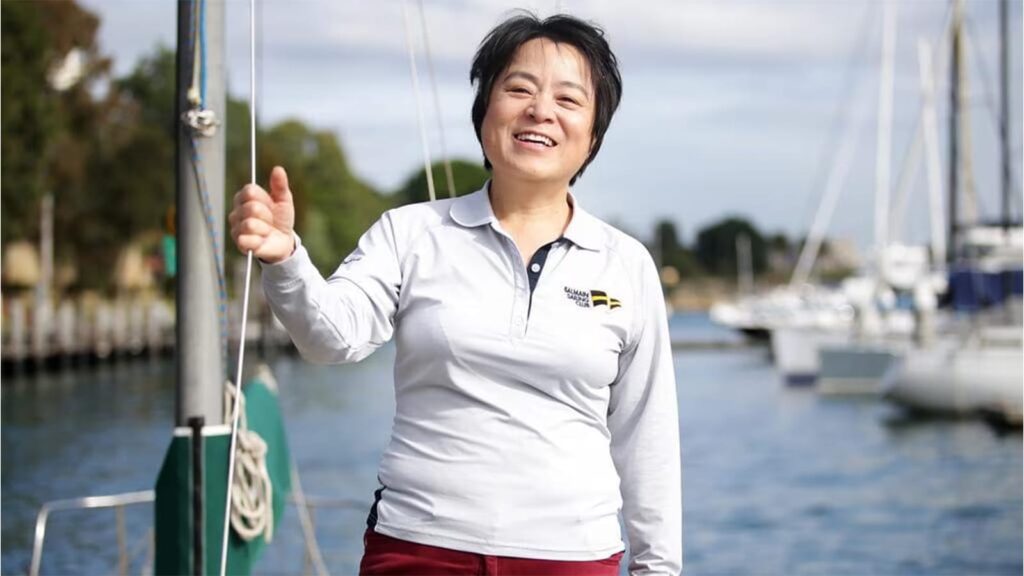
In a landmark moment for offshore racing history, Jiang Lin became the first woman to skipper the overall winner of the prestigious Rolex Sydney to Hobart Yacht Race in 2025¹. Her double-handed entry Min River, sailed with co-skipper Alexis Loison, was declared Overall winner on corrected time after a successful protest against the initially leading boat — marking both a sporting and cultural milestone in the 80th running of the iconic 628-nautical-mile race from Sydney Harbour to Hobart, Tasmania².
The Sydney to Hobart race is renowned for its diverse and challenging conditions — from harsh southerly seas after departure to fickle upwind work in the Derwent River approach. Competing with a double-handed crew requires intense coordination, endurance, and strategic planning, as sailors must balance sail trim, navigation, and rest rotations between just two people³. Lin’s success under these demanding conditions demonstrated her professional seamanship and tactical mastery, navigating variable conditions and managing resources across the long offshore passage.
Lin’s victory carries symbolic weight beyond the win itself: women first competed in the Sydney to Hobart race in 1946, and Jane Tate’s early efforts now connect to Lin’s historic overall victory nearly eight decades later⁴. This achievement celebrates both progress and perseverance, inspiring women offshore racers and emphasizing that skill and leadership — whether in inshore classes or blue-water ocean racing — are boundless.
References:
¹ Jiang Lin Sydney to Hobart overall victory
² Detailed Sydney Hobart report
³ Sydney to Hobart race page
⁴ History of women in the race
Timeline of Historic Women Sailors
| Century/Year | Milestone |
|---|---|
| 1500s | Grace O’Malley commands fleets along Ireland’s coast |
| 1700s | Mary Read & Anne Bonny in Caribbean piracy |
| 1856 | Mary Ann Patten captains Neptune’s Car |
| 1850s | Eleanor Creesy navigates record passages on Flying Cloud |
| 1976–78 | Krystyna Chojnowska-Liskiewicz solo circumnavigation |
| 1978 | Naomi James rounds Cape Horn solo |
| 1988 | Kay Cottee solo non-stop circumnavigation |
| 2010 | Jessica Watson solo circumnavigation |
| 2012 | Laura Dekker youngest solo circumnavigator |
| 2012 | Polly Powrie Olympic gold in 470 class |
| 2024 | Cole Brauer completes Global Solo Challenge |
| 2025 | Laura Grondin wins J/70 World Championship |
| 2025 | Jiang Lin wins Sydney-Hobart overall |
Celebrating International Women’s Day: Honoring Women Who Sail
Every year on March 8, sailors around the world join the global community in celebrating International Women’s Day — a day dedicated to recognizing women’s achievements, advancing equality, and envisioning a world where opportunity knows no gender boundaries.
For the sailing community, the day carries a special resonance. The sea has long been both a metaphor and a proving ground for freedom, resilience, and exploration. Women sailors — from Grace O’Malley’s windswept galleons to Cole Brauer’s carbon-fiber Class 40 — embody those same values in every generation.
The Sea as a Symbol of Equality
Sailing has always rewarded skill, nerve, and knowledge over brute strength or social status. In that sense, the sea has been a quiet equalizer for centuries — even if the world ashore was slower to recognize women’s abilities.
When Mary Ann Patten took command of Neptune’s Car in 1856 or when Krystyna Chojnowska-Liskiewicz set out alone from the Canary Islands in 1976, they were not only navigating oceans but also dismantling invisible barriers. Their courage rippled outward, inspiring others to see sailing not as a men’s pursuit but as an open horizon available to anyone with determination.
Modern Achievements and March 8 Reflections
On this International Women’s Day, sailors have even more to celebrate. Within just the past two months, Laura Grondin’s victory at the J/70 World Championship and Jiang Lin’s historic overall win in the Sydney to Hobart Yacht Race show that excellence at sea is not defined by gender but by preparation, teamwork, and composure under pressure.
Similarly, Cole Brauer’s solo circumnavigation in the Global Solo Challenge illustrates a new kind of visibility for women sailors. Her 130 days alone at sea were livestreamed to thousands of followers worldwide — a powerful image of what determination and self-reliance look like in the modern sailing era.
These moments underscore why International Women’s Day matters so deeply to maritime culture. The achievements of women afloat — from offshore racers to instructors and weekend cruisers — demonstrate that empowerment isn’t confined to land-based professions. It thrives wherever curiosity meets courage.
How the Sailing Community Can Participate
Celebrating International Women’s Day within the sailing community can take many forms:
She’s not a sailor yet:
Sign up for American Sailing’s Free Online Intro to Sailing Course
She’s an up and coming sailor:
Enroll in your next ASA certification course at a local school
She’s already a sailor who wants to race faster:
Enter to win a spot at the 2027 Women’s North U Performance Race Week
Each small act contributes to a larger wave of recognition, ensuring that the lessons of perseverance and possibility remain visible to future sailors.
Looking Ahead: Full Sail Toward Equality
International Women’s Day is not only about remembrance — it’s about momentum. The trajectory of women’s sailing is pointing decisively forward. Record-setting solo voyages, Olympic podiums, and the leadership of skippers like Jiang Lin prove that the helm of the modern sailing world is increasingly diverse.
As we look out across the horizon this March 8, the message is clear: the sea belongs to everyone who dares to sail it. By celebrating women’s accomplishments, the global sailing community honors centuries of progress and charts a confident, inclusive course for the voyages still to come.
Spite Sailing is about creating that “more.”
It is for us, and for the women who will come after us. A platform to compete at the highest level. A place to learn alongside peers. A proving ground to expand comfort zones and redefine what is possible.
Some of the students I met today may one day step onto our boat. We intend to make that possible.
We are thrilled to have you along for the journey. Stay tuned, stay curious, and stay inspired, there is so much more to come.
About the Author
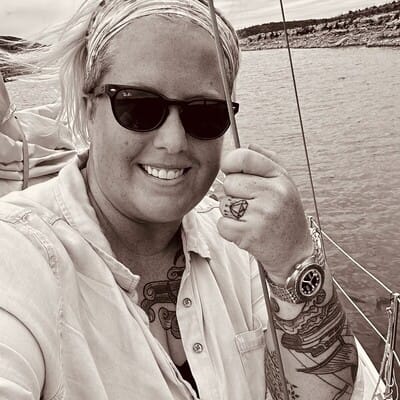
Christy McFerren is a sailor and sailing instructor holding American Sailing certifications 101–106, 114, and 201–202. She is a member of the Austin Yacht Club sailing instruction team and Catalina fleet, and prior to that completed her 100-level certifications with Outbound Sailing. Christy sails most weekends on Lake Travis in Austin, Texas, with her husband and son aboard Doxa, their Catalina 27, and has bareboat chartered throughout the Caribbean. She’s also a PADI scuba instructor at Dive World Austin and a private pilot who loves exploring above, on, and below the waves.
Join The Discussion