




Table of contents
By Giovanni Profeta
“Tactics is knowing what to do when there is something to do. Strategy is knowing what to do when there is nothing to do.” – Savielli Tartakower
Introduction: The Silent Conversation
This statement was written by the famous Polish chess Grandmaster Savielli Tartakower. He is well known in the chess world by highlighting a specific way of thinking when facing an opponent. He divided his approach in two different ways of thinking: tacit and strategy. Let us explore what this could mean for us sailors and how we can apply some of this simple chess knowledge to our weekly cruising.
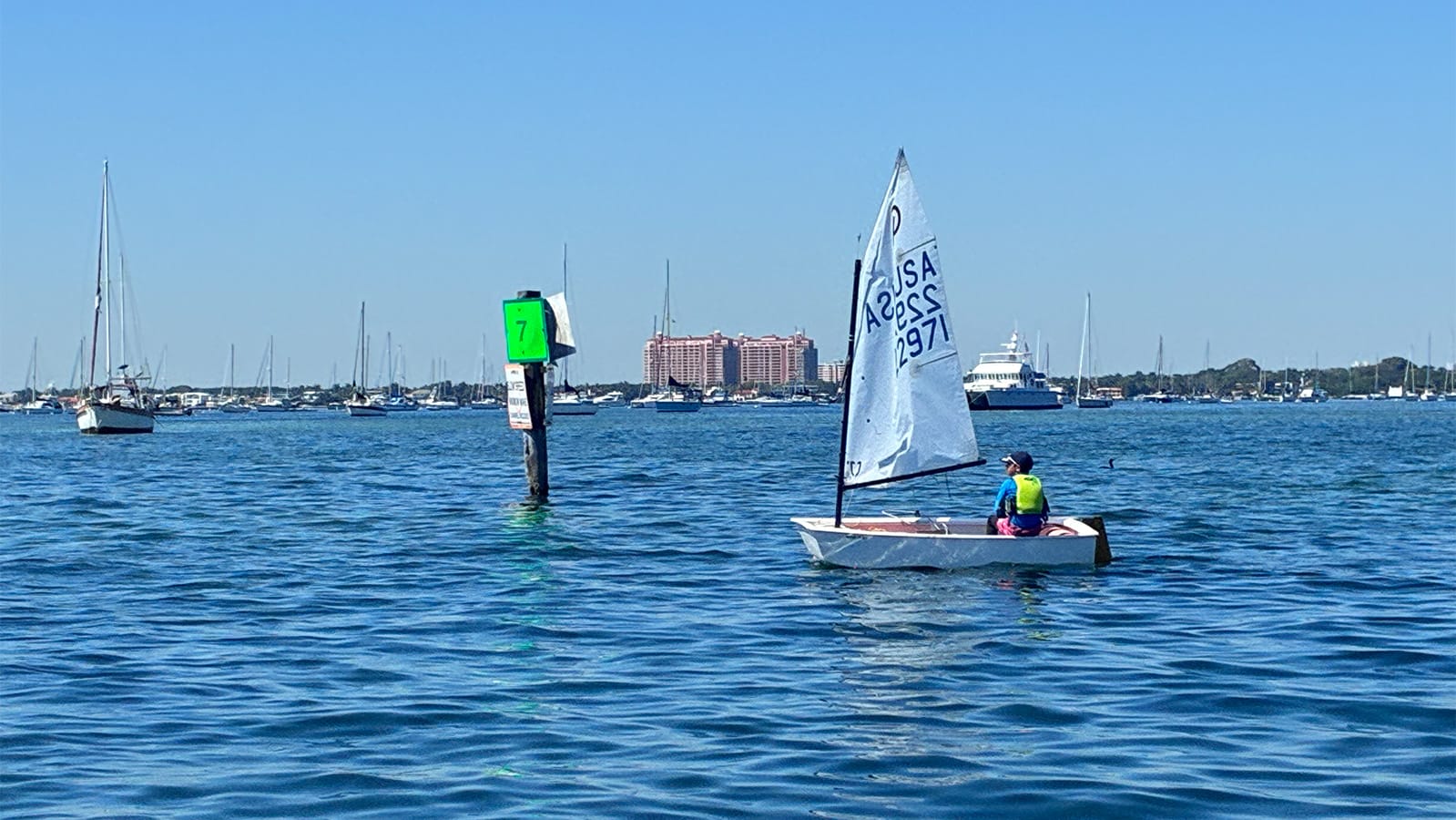
At our summer camp, we host a chess club which is often just an excuse for campers aged 8 to 14 to trade the hot hangar for a quiet classroom during lunch. Yet, watching them engage in the game is fascinating. They teach each other, strategize, and play with a focus that is rare to see. Often, I would sit with them, trying to sharpen my own game, and found myself struck by the parallels between this chessboard and being out on the water. I began to realize that the scenarios I was analyzing on the board were similar to the ones I navigated at the tiller.
Defining the Game: Tactics vs. Strategy
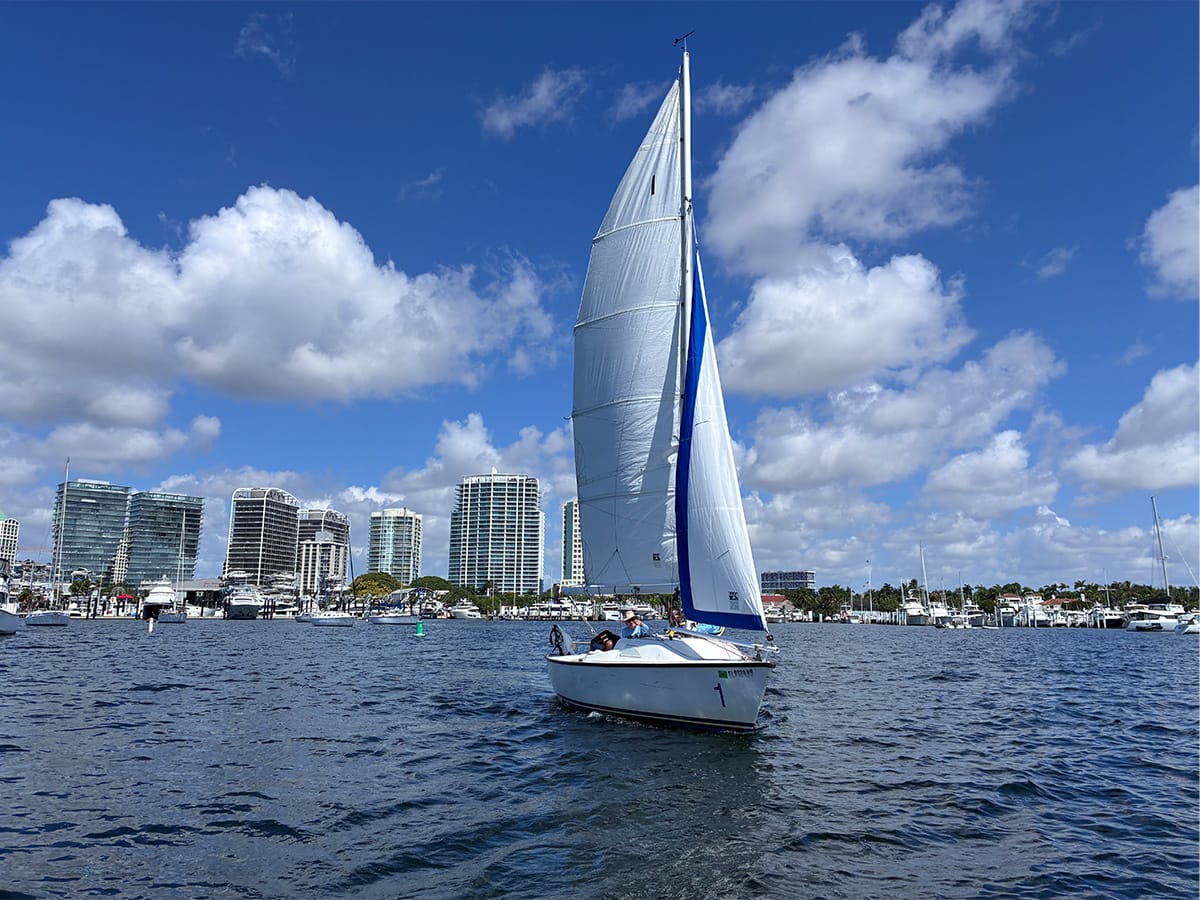
While tactics and strategy are separate modes of thought, according to Tartakower they are interconnected as one often dictates the other. Simply put, tactics are the specific moves made to gain an immediate advantage; they are short-term goals. Strategy is the big picture, the more long-term plan.
Whether in a high-stakes regatta or a casual weekend cruise, these modes are constantly at play. In racing, I find myself mentally projecting into the future, visualizing the outcome of a move before I commit to it. Every sailor has likely imagined the future to secure clear air or prevent an opponent from slowing them down.
I began using this analogy of tactics and strategy to my students during summer camp. It required some creativity to blend the two, but my goal was to make them see the bay not just as a body of water, but as a chessboard. I explained that a chess player thinks several moves ahead; a sailor must do the same. When asked how many moves he calculates during a match, the Cuban World Chess Champion José Raúl Capablanca simply replied, “I see only one move ahead, but it is always the correct one.
The Capablanca Lesson
Reflecting on Capablanca’s statement gave me a reality check regarding sailors I have competed against. I asked myself: “Can you imagine all the variables on your side of the board plus your opponent’s moves to counterattack your resolve? Aren’t we always taking into consideration the possible future moves of a boat coming toward us? Is the current going to alter our course? What could happen if I get too close to that moored boat? Would I be able to get clear air right next to it?”
We face a plethora of variables: wind shifts, tidal currents, oncoming traffic, the proximity of other vessels, etc., unlike a chessboard which is a “closed system” where the pieces behave a bit more predictably and your environment is essentially controlled. Sailing, however, is an “open system” that is more uncertain and requires a great deal of risk management.
For example, when you navigate a tight channel, you are effectively managing a complex, unpredictable board. You must account for your own trajectory while anticipating the unpredictable moves of others (such as other large yachts moving in and out of the channel). I explained to my students that you do not need to be in a regatta to use “strategy”. Even on a cruise sail, you are risk-managing. You aren’t just reacting to the wind; you are planning for where the wind will be in ten minutes, how the current will push you, and what your escape route looks like if the situation changes.
The Mental Board: Anticipation at the Tiller
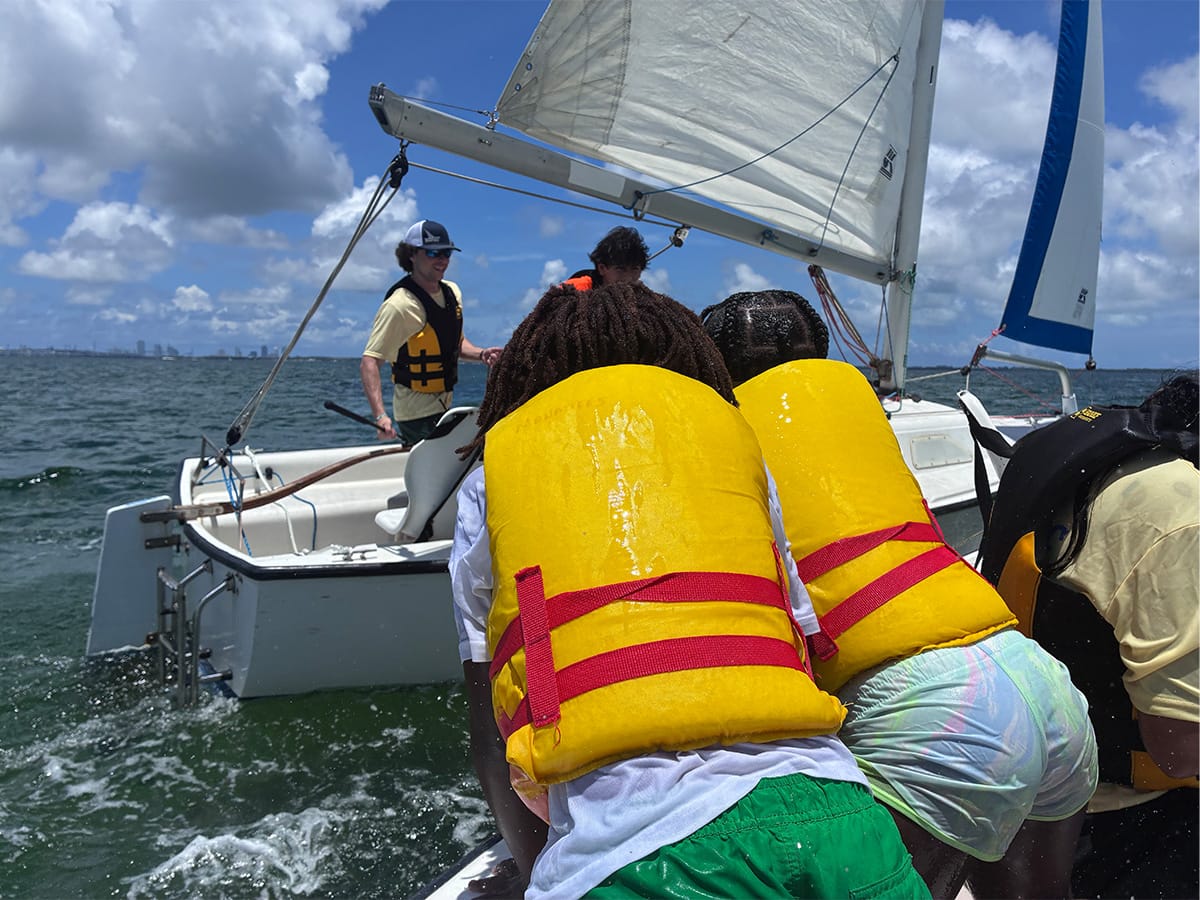
To put this into practice, I took my students out on our Catalina 20s to navigate the challenges within our main channel. Our channel was a landing strip for seaplanes during the golden era of aviation and the facility was constructed pointing east. While that orientation facilitated takeoffs of seaplanes in the past, for us sailors today, it means we must tack continuously for several minutes to reach clear water. This becomes one of the most stressful experiences that a student can endure. The path is lined with expensive yachts on both sides, and as a late sailing instructor friend of mine used to joke, “If you’re going to hit something, aim for the least expensive one.” If one of the students tried to outsmart him saying, “They all look expensive!” he’d quip, “In that case, don’t hit anything.”
My student gripped the tiller with white-knuckled intensity, his eyes darting toward the “floating joys” around us. He kept repeating “Are we too close?” and I kept assuring him we were not. At the end of our channel, there is a tight spot where the fuel dock ends and it becomes a space that is quite uncomfortable, leaving little to no room for mistakes. Within this area, I told him, “We need four tacks. One toward the Azimut 105, then clear the fuel dock, another to point toward the yacht’s midsection, then one final tack to put us on a starboard heading with enough room to sail away.”
What I saw in my mind was certainly not what he saw as he remained hesitant, but he followed my lead, and we cleared the dock seamlessly. “Like a chess game,” I told him, “you need to see things before they happen.” My students were baffled, they never thought that It takes more than speed to be at the front of a fleet. Planning and strategizing makes a substantial difference on what the outcome could be.
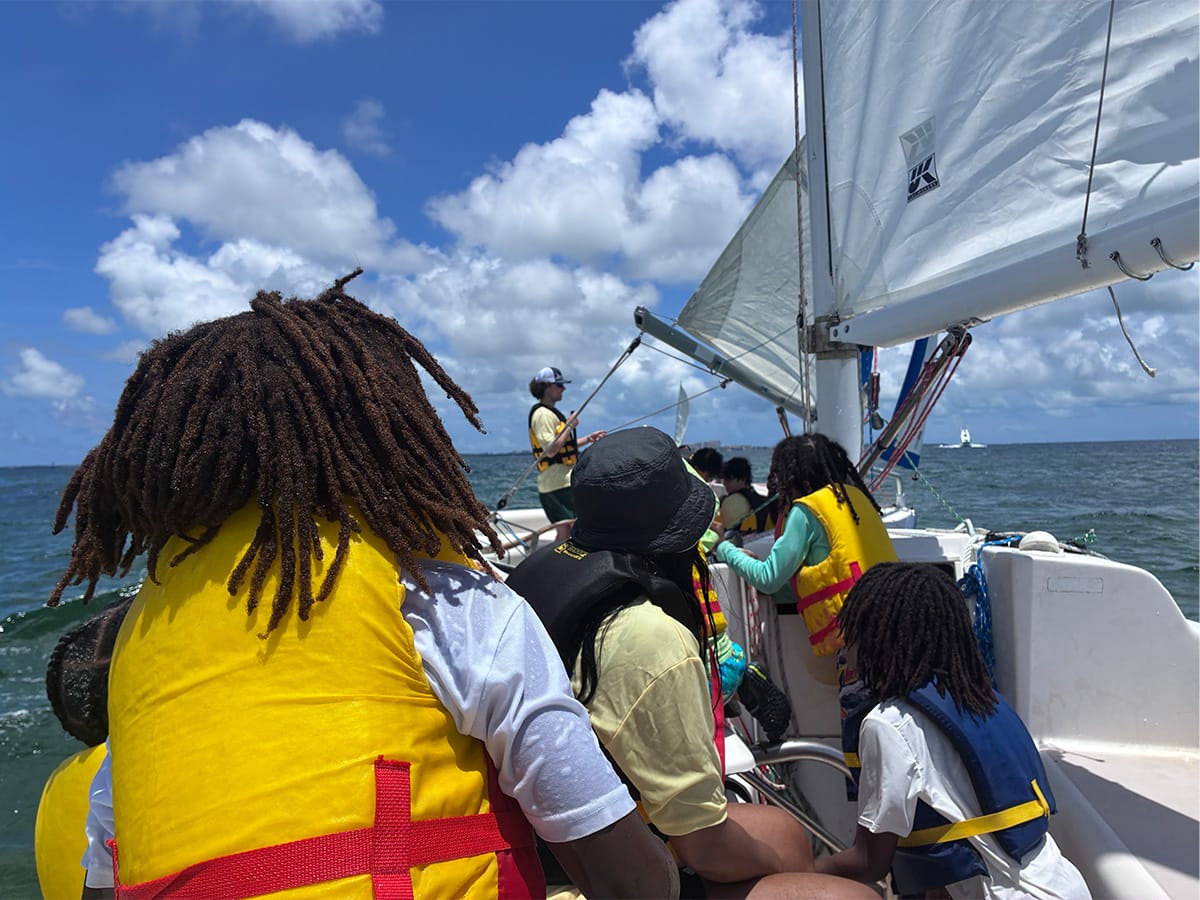
I explained that I don’t just focus on where the boat is now as I look past the current tack. I anticipate what happens if an upcoming powerboat changes course or if the wind dies. By bringing strategy to the forefront of our conversation, the physics of sailing became secondary to mental preparation. I showed them that a regatta is rarely won by brute speed alone. It’s won by micro-advantages, clear air at the start, a slightly better heading or a smarter tack done at the right time compounds into a lead.
Conclusion: Choosing Order over Chaos
Equating chess with sailing is not a stretch. Both disciplines demand the mastery of anticipation. Chess players calculate variations on sixty-four silent squares; sailors calculate trajectories across a vast, shifting expanse of wind shifts and tide.
True mastery in both sports lies in the ability to impose order on what looks like chaos. To see the water not as it is, but as it will be three moves ahead. Victory is rarely won by raw power; it is won by the calculating mind that knows how to out-position the storm. The next time you find yourself at the tiller, don’t just react to the current gust. Take a breath, survey your “board,” and plan your next move. Victory is rarely claimed by brute force; a calculating mind makes all the difference when outmaneuvering a storm, something we sailors know well.
About the Author
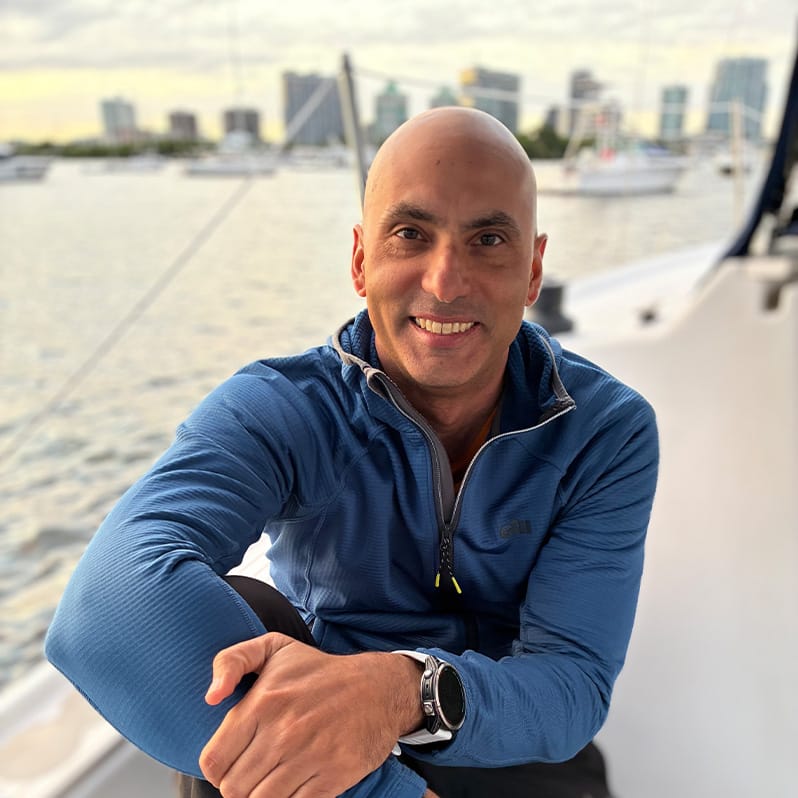
Giovanni Profeta is a sailing instructor specializing in ASA 101, teaching both youth and adults with a focus on sailors with physical and intellectual disabilities. He is passionate about making sailing accessible and empowering for everyone on the water. Alongside instruction, Giovanni is an avid regatta racer who competes in events across the United States. He has also crewed on multiple offshore sailing assignments throughout the Caribbean and through the Panama Canal, building broad experience in both competitive and cruising environments.
Join The Discussion
-
Do you approach sailing like a game of chess?
Every tack, wind shift, and passing vessel presents an opportunity to think ahead. Discover how chess principles can improve your decision making, navigation, and sailing strategy in this article exploring the connection between sailing and chess: https://americansailing.com/articles/thinking-three-moves-ahead/
americansailing.com
Chess and Sailing: Discover how strategy, anticipation, and tactical thinking help sailors navigate challenges and stay ahead.
Sorry, there were no replies found.
Log in to reply.