




By Jenny McCain
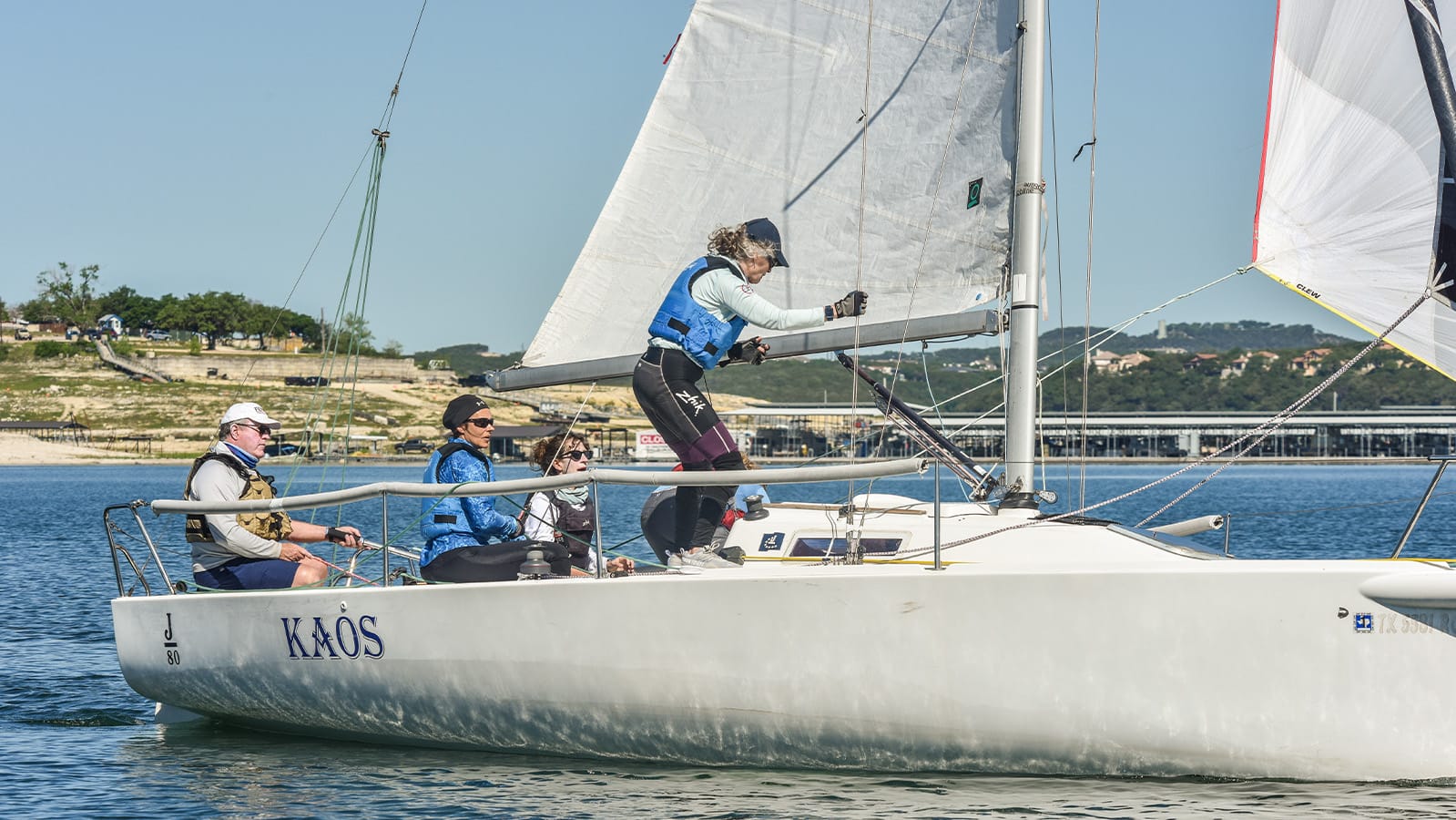
A crew that works like clockwork is a beautiful thing. A nod from the helm tells a trimmer to trim in a few clicks on the winch. A few words from the bow and a quick point toward a crossing vessel keep everyone on lookout. What makes that kind of teamwork possible is the balance of these key elements: communication, practice, and a healthy mix of skills and personalities.
Most sailors have been aboard a boat where voices rise and tempers flare. It’s rarely productive and never fun. A balanced crew trusts one another to do their part, so there’s no need to shout.
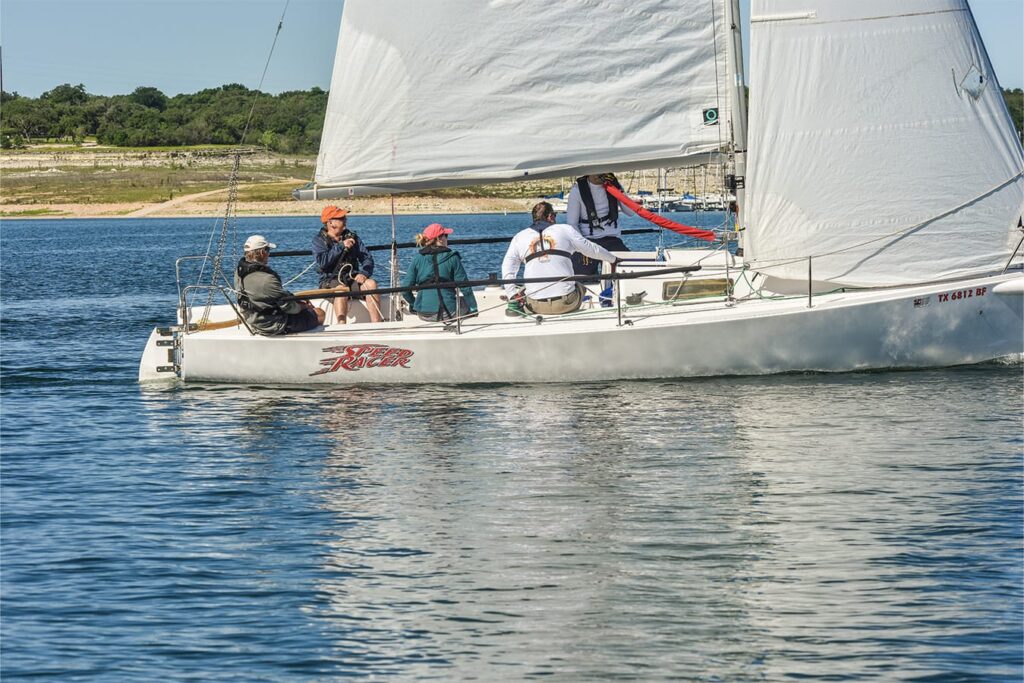
But balance isn’t just about personality types or technical skills. It’s also about who gets to participate, and that’s been a real problem. The World Sailing Trust’s Women in Sailing Strategic Review (built on more than 4,500 responses) found that 80% of women and 56% of men believe gender balance is an issue in our sport, and reports of discrimination increase as women progress further into being pro sailors. It also documents low female representation across on-water officiating and coaching (sailing.org).
Every role on the boat has certain requirements. When we look at the skills our skippers need to have, they include experience, calm under pressure, clear communication, respect for others, and the ability to pivot when conditions change.
So often, we decide who would make a good sailor based on strength and a dominant personality. Yet we know that with a boat full of strong personalities, fights will surely break out.
My hope is that this nudges you to look at the different roles on the boat and match them with the right mix of skills and temperament. A meek but experienced skipper who can project their voice when needed might be exactly what settles the boat and steadies the crew.
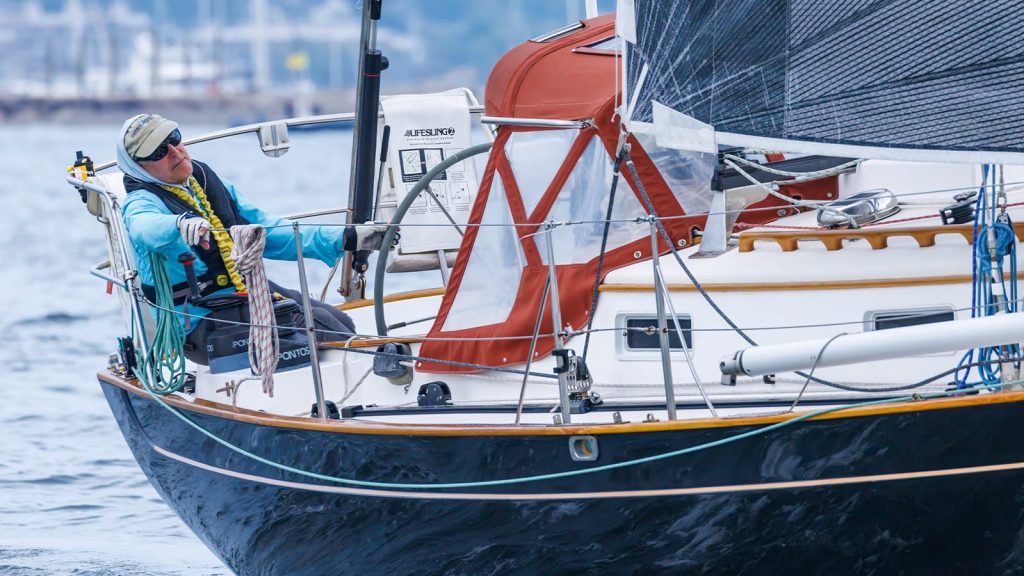
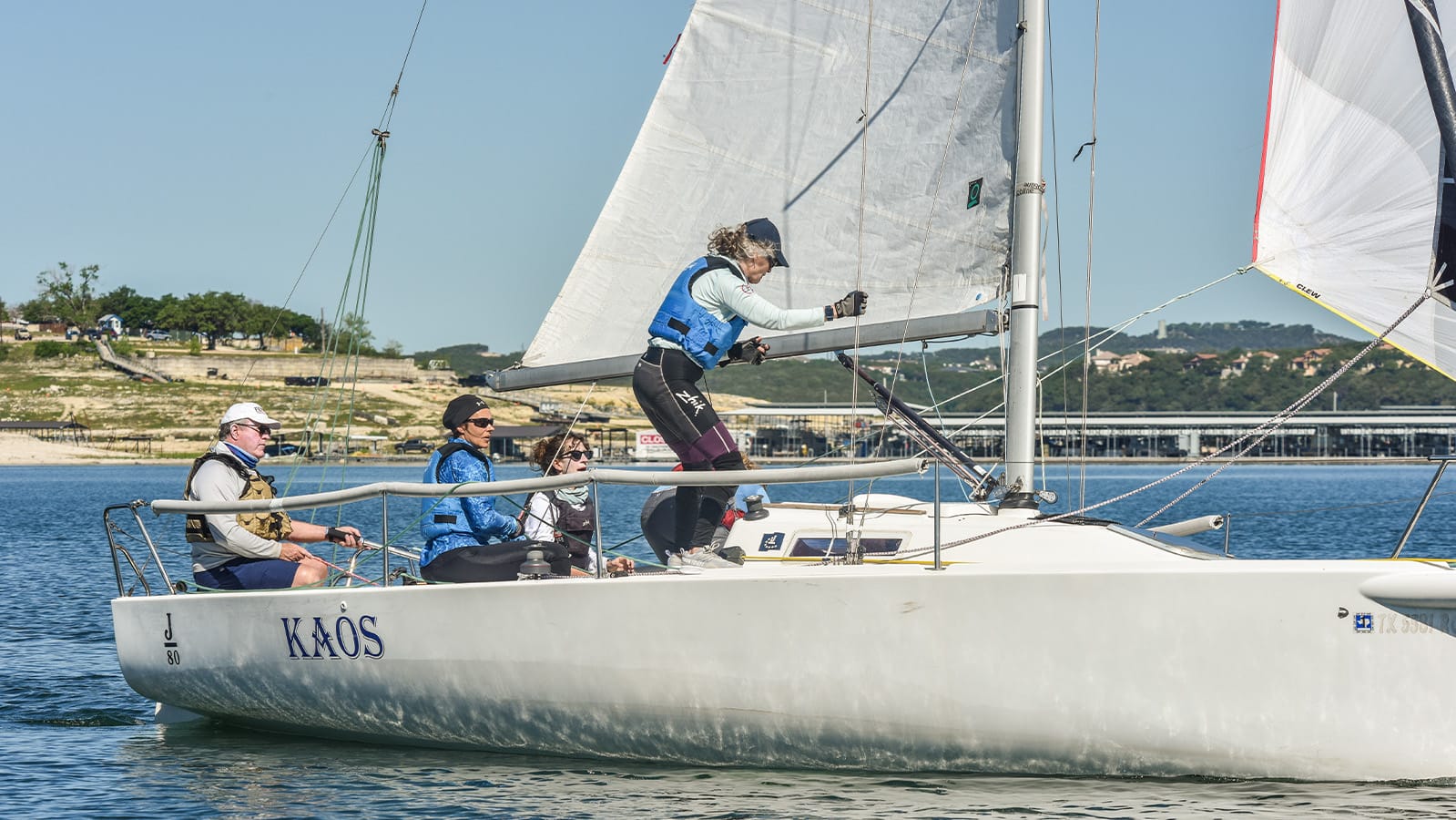
Think about the jobs on your boat, whether you’re cruising or racing. The skipper sets tone and models calm decision-making. Trimmers need coordination and the confidence to speak up when they see something the helm can’t. Bow crew are agile problem-solvers, quick to move where they’re needed, freeing a jib from the pulpit, trimming an outhaul, or shutting a hatch that’s come loose.
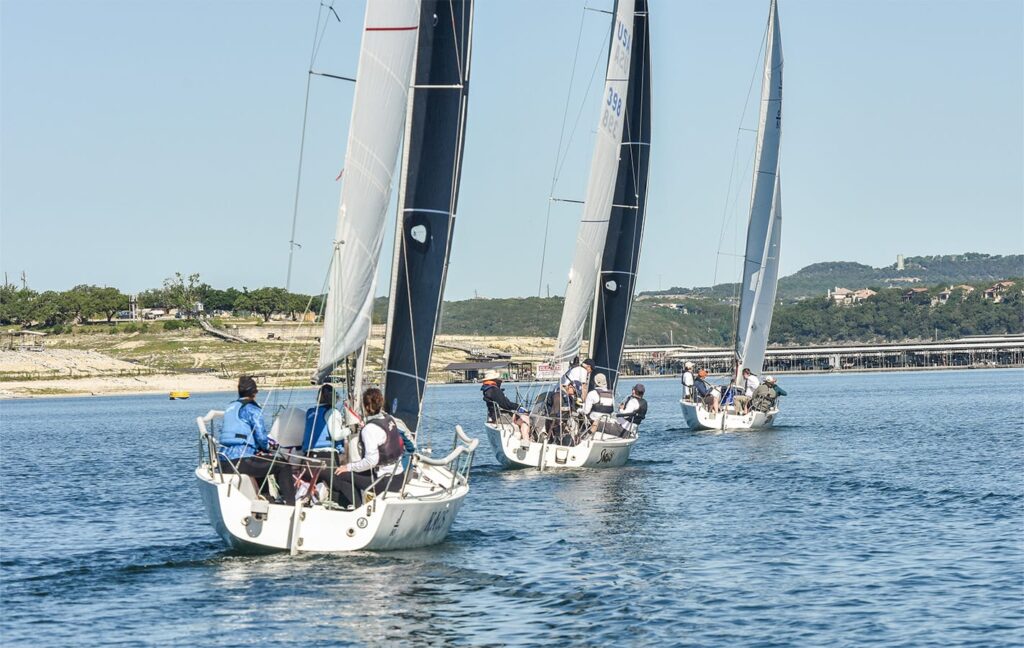
Now, back to participation. As a woman and a captain, I know how rarely women are invited to take the helm. Yet many of us have learned to work smart, using posture, leverage, and an extra wrap on the winch to match strength with technique. The good news is that access models are changing the picture. Peer-to-peer rentals and boat clubs show much higher female participation than traditional ownership. Boatsetter reports women rose from 43% of renters in 2021 to half of all renters by 2023. Freedom Boat Club says more than a third of its global members are women. Those are clear signals that when barriers to entry drop, women step aboard—and take the wheel (Business Wire).
Ownership is still catching up, but even there the data proves useful for context. Industry analyses have long put female owners around one in eight (roughly 12–13%), a gap that helps explain why “who’s on board” doesn’t yet mirror “who’s interested” (BoatUs)
Take some time to think through your crew and what you can do to make it better. If you’ve got too many strong opinions, bring in someone who listens more than they talk. If your boat feels loud and tense, balance it with a quieter voice.
If you’ve ever been on a boat where the crew is silent — but not silenced — then you know what I mean. Communication is succinct, temperaments are balanced, and there’s time to look around and enjoy the view. I sometimes finish a race and wonder why I race at all when I look back at all the shouting and the stress. Let’s make sailing more opportunistic for everyone and place a balanced crew on our boats. Do that, and we’ll remember the peaceful, reflective moments and want to be on the water more often. That’s when we remember how much we love sailing.
About the Author
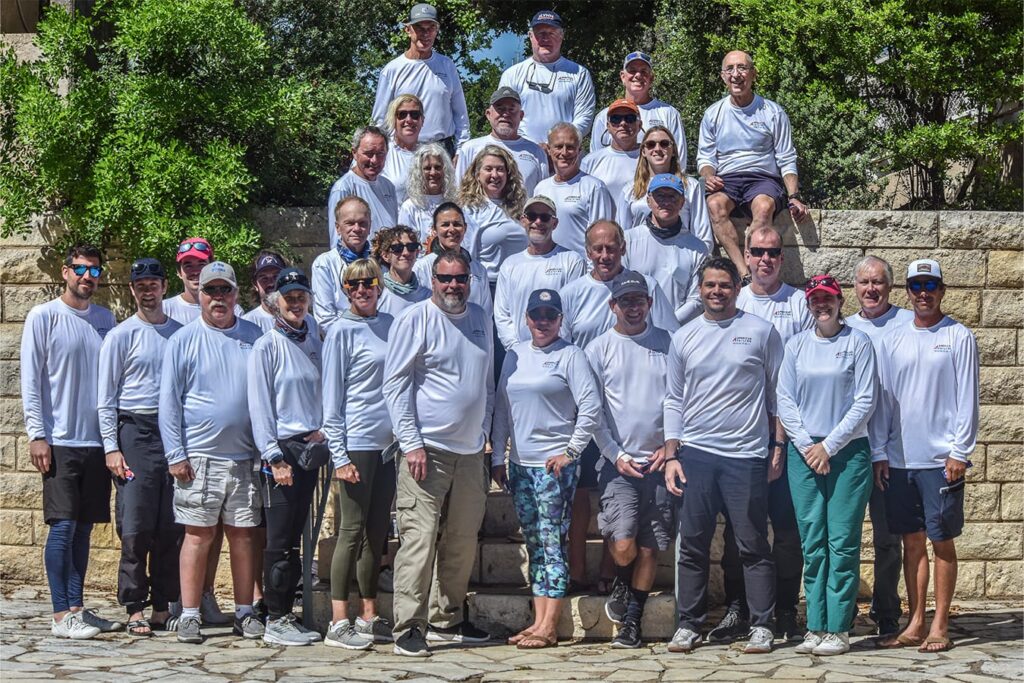
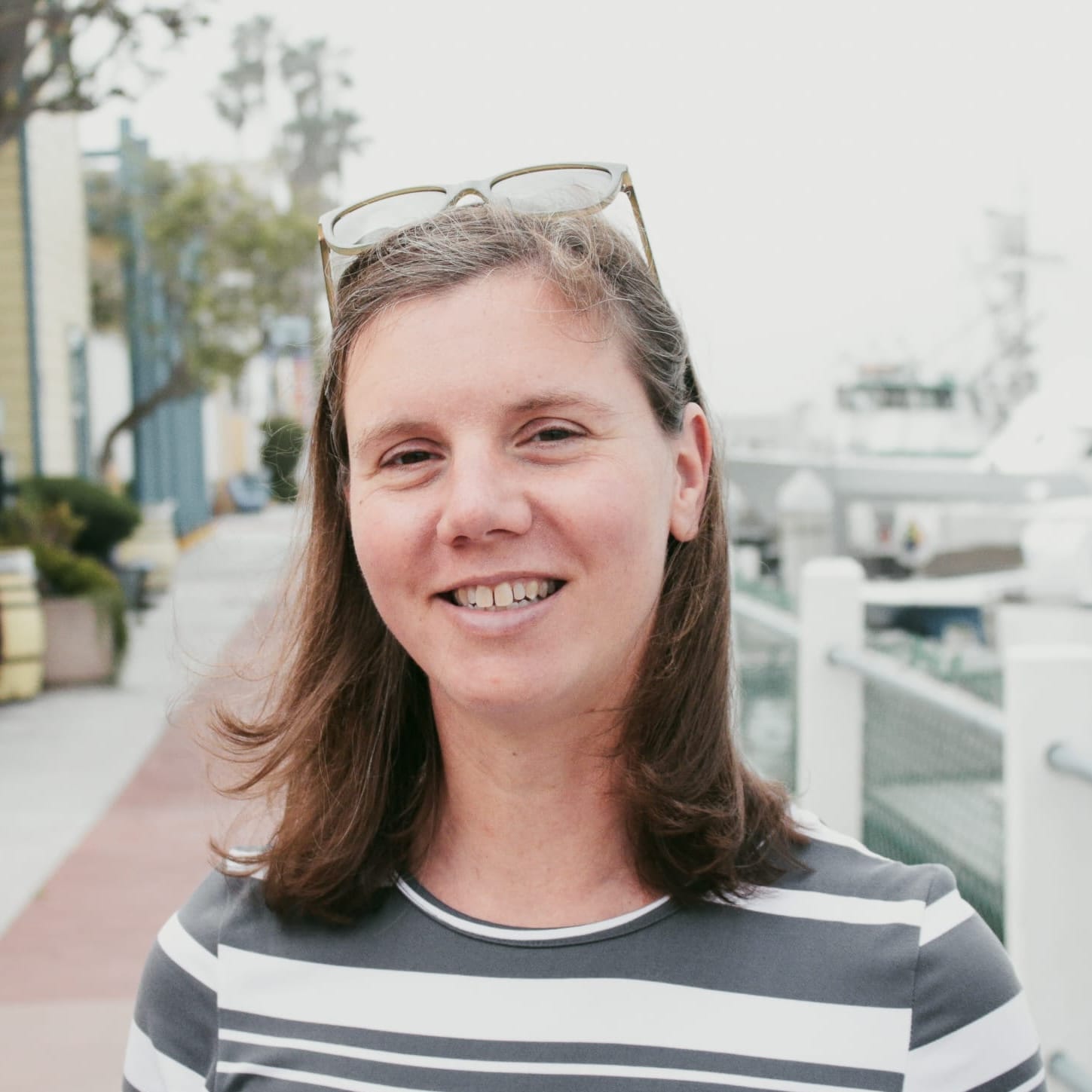
Jenny McCain is an ASA instructor and the Director of Educational Development at American Sailing. She has dedicated her career to improving sailing education and supporting instructors worldwide. For questions about becoming an instructor, email her at jmccain@americansailing.com.
Join The Discussion
-
What does a balanced crew mean to you?
How do you create harmony, communication, and equality on board—whether cruising or racing? Have you seen differences when more diverse crews sail together? Share your experiences, challenges, and strategies for building stronger, more inclusive teams on the water.
https://americansailing.com/articles/balanced-crew/
americansailing.com
Balanced Crew: Explore how communication, trust, and inclusion create harmony onboard—and why gender balance strengthens every crew.
Sorry, there were no replies found.
Log in to reply.