



There is a moment in almost every offshore passage when the scale of what you are doing becomes unmistakable. The coast has disappeared. The other boats have scattered beyond the horizon. The weather has stopped behaving according to plan. Home is hundreds of miles behind you, the destination is hundreds more ahead, and whatever happens next will largely be solved by the people and equipment aboard your boat.
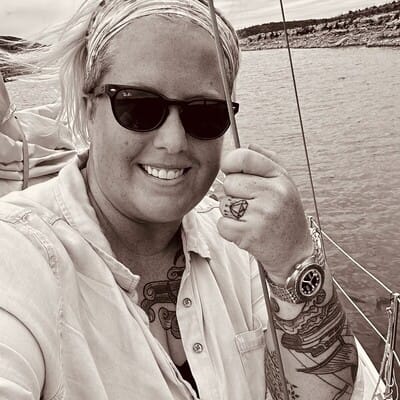
For American Sailing’s Kira Maixner, those moments are part of what keeps drawing her back to the ocean.
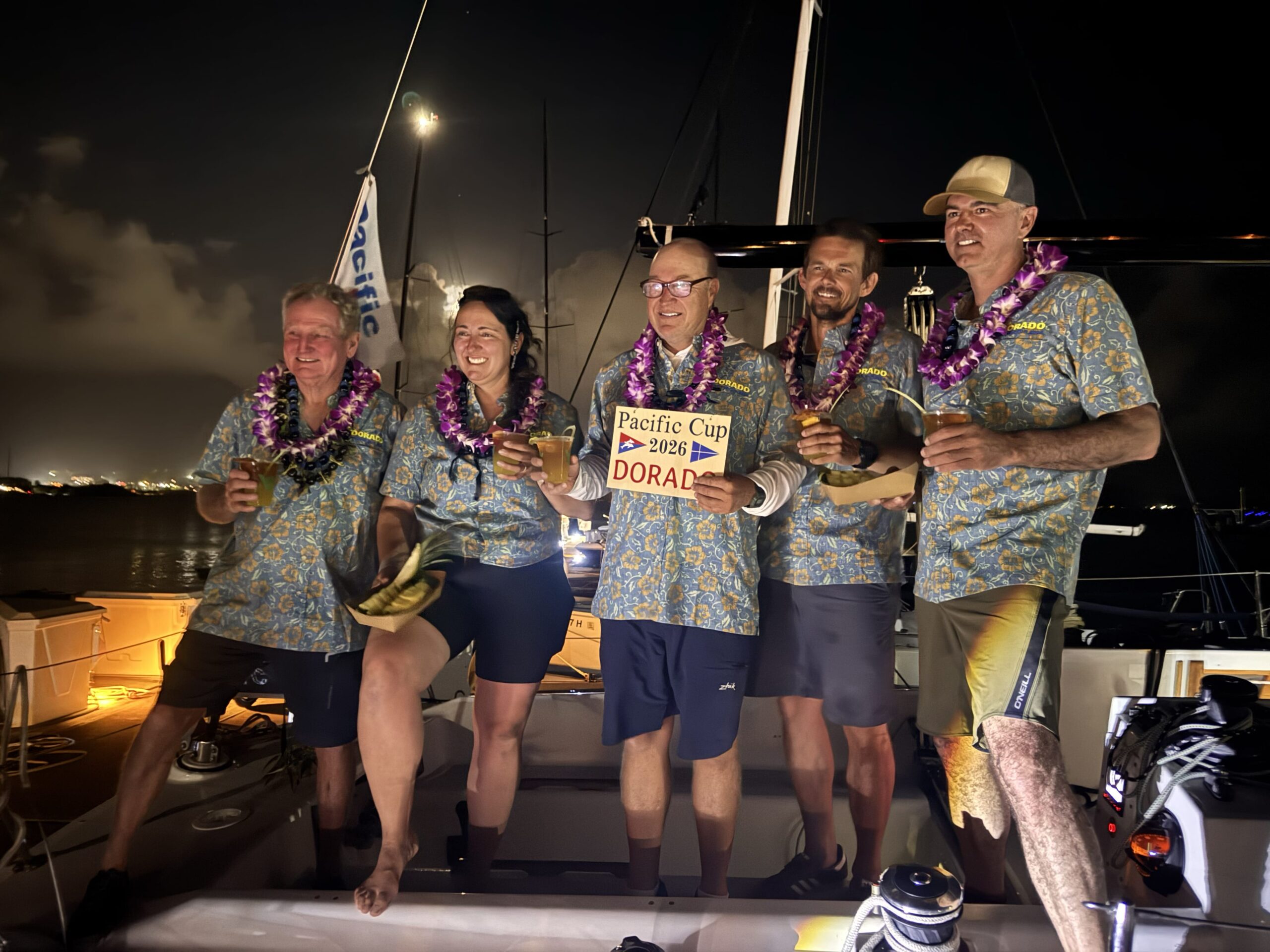
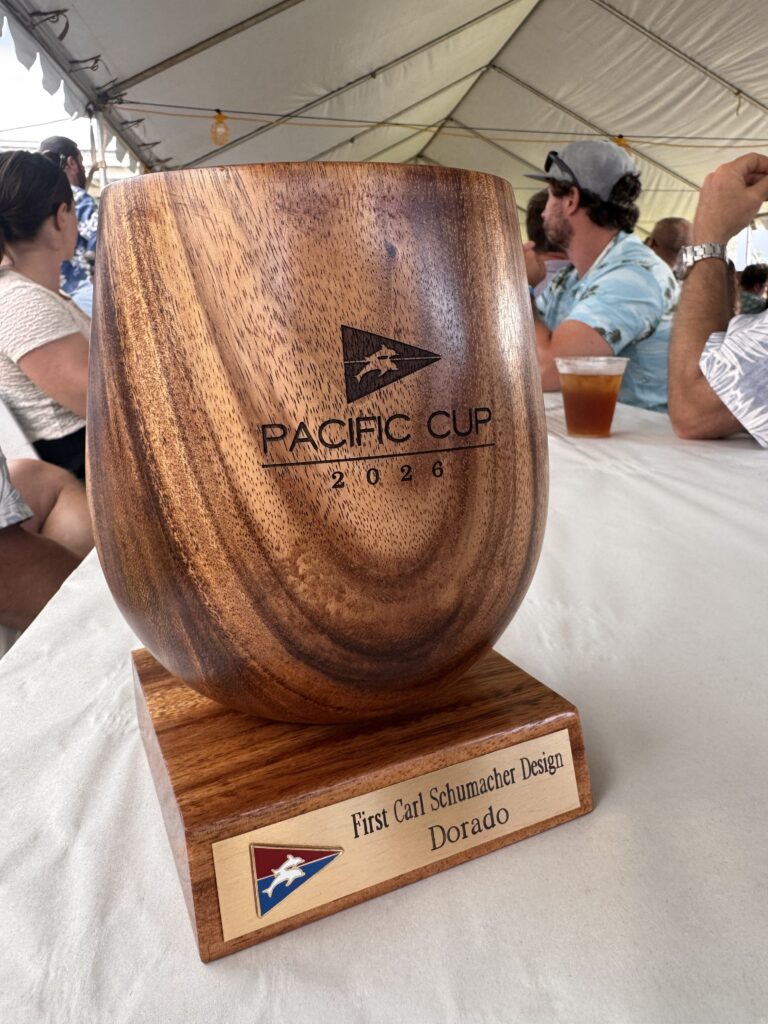
This summer, Maixner joined the five-person crew of Dorado, an Express 37 skippered by Brendan Huffman, for the Pacific Cup from San Francisco to Hawaii. Eleven days, 11 hours and 54 minutes after leaving California, Dorado crossed the finish line at Kaneohe, Hawaii. After corrected time was calculated, the crew had done more than cross an ocean: they had won their ORR4 division.
To talk with Kira is to be in the presence of a normal, everyday sailor who has done the work to transform her story from that of a beginner to a winner — she is you, she is me, and she is champion all at the same time.
The victory was the culmination of years of sailing, instruction, offshore passages and preparation. But it was also a reminder that ocean racing rarely unfolds according to plan.
“You know, you just keep on course and do your best with the conditions that have materialized,” Maixner recalled of the race. “In the end, our teamwork and focus got us across the finish line in first place!”
The Race Across the Pacific
The Pacific Cup is a biennial race from the San Francisco Bay Area to Kaneohe, on the Hawaiian island of Oahu. The passage is roughly 2,100 nautical miles, although the distance a boat actually sails depends heavily on weather and routing decisions.
The fleet includes boats of different sizes and configurations, from doublehanded teams to fully crewed boats, divided into classes using rating systems that allow boats with different performance characteristics to compete against one another.
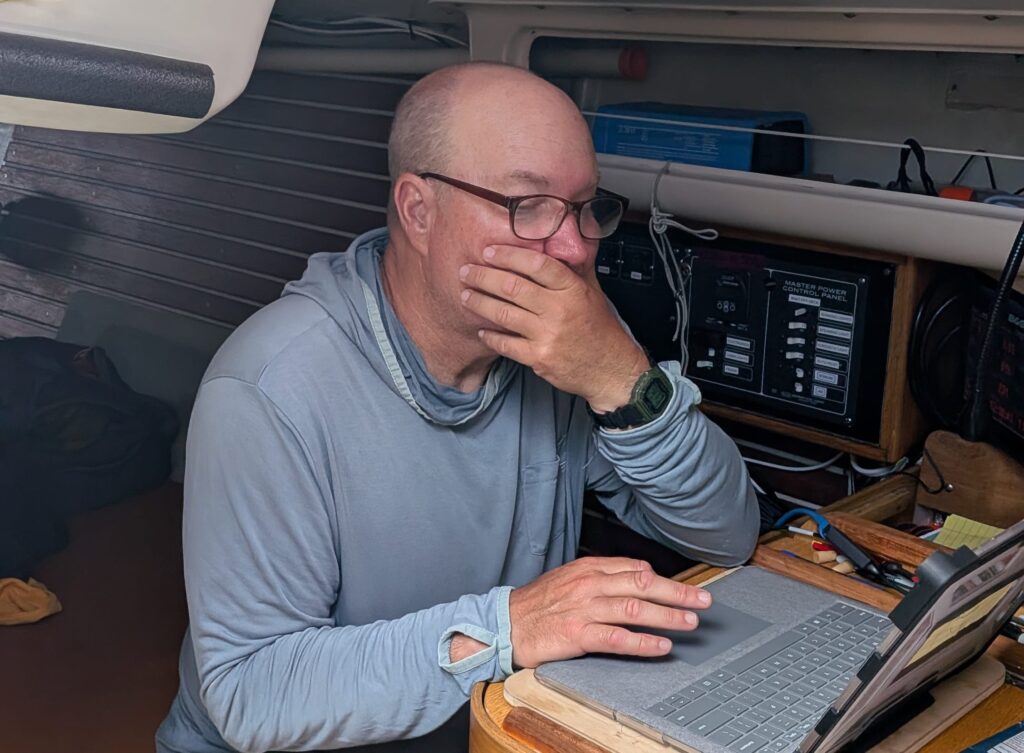
Dorado raced with five sailors in the ORR4 Goslings Rum Division. Huffman is the owner and skipper, Chris Walker as navigator, Greg Clark was watch captain brought extensive offshore experience, Christian Sheehan handled systems, and Maixner served as boat manager and provisioner.
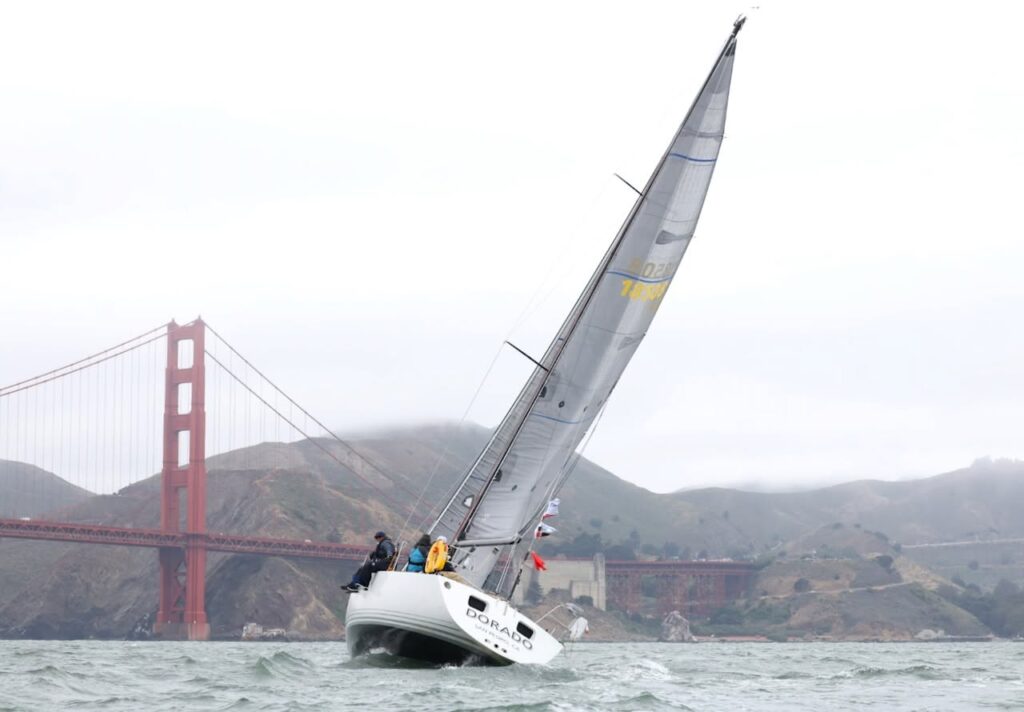
Photo credit: Margie Woods
Winning would require them to do more than sail fast. They had to sail smart.
For Dorado, one of the most important strategic decisions was surprisingly simple: don’t sail any farther than necessary.
The shortest path between the start and finish—the rhumb line—may look obvious on a chart, but offshore racing rarely permits a boat simply to follow it. Sailors have to route around pressure systems, hunt for favorable wind and decide whether sailing additional miles will ultimately produce a faster passage.
This year, Dorado remained relatively close to the rhumb line and, according to Maixner, sailed roughly 100 fewer miles than some competitors. That efficiency ultimately became an important ingredient in the victory.
When the Wind Disappears
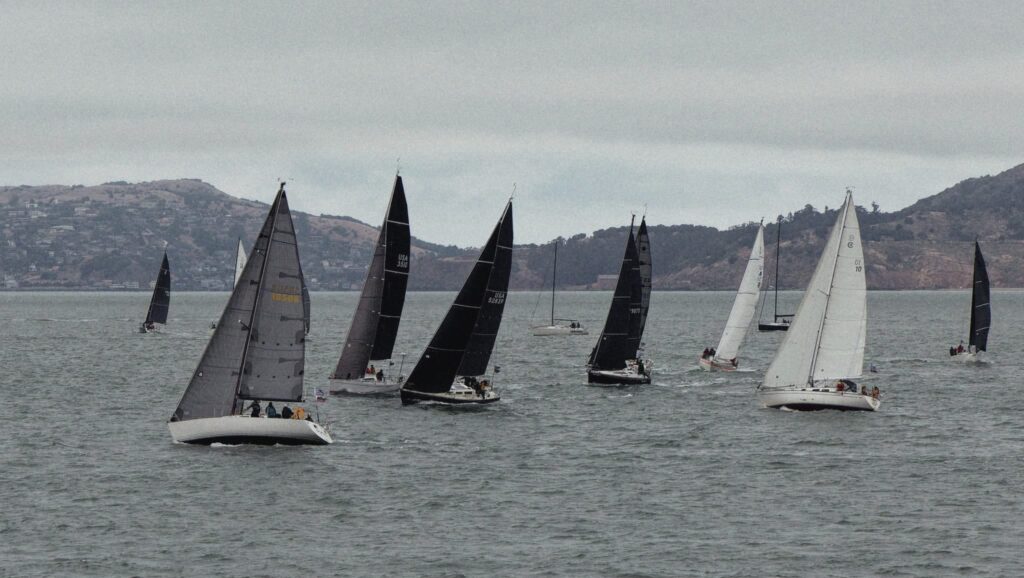
Dorado began the race beautifully. She was first across the starting line and took off under the Golden Gate Bridge and past the Farallon Islands. The first three days were wet, cold and uncomfortable—but Dorado led her division.
After those first few days, the wind became light and patchy. For five days, the crew found themselves struggling through light air as the Pacific high expanded across their route.
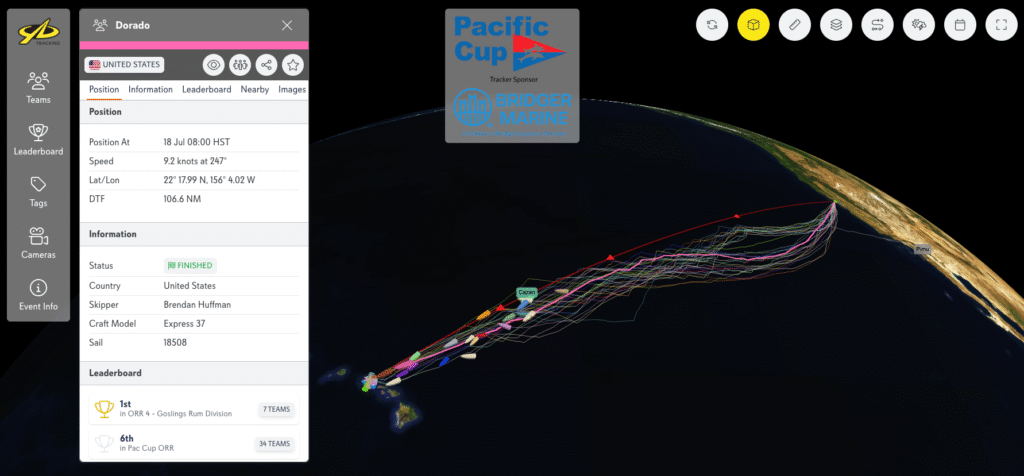
Competitors began gaining ground. Boats appeared to be finding better pressure elsewhere. Using the mandatory YB tracker each boat had to carry, Dorado was able to understand what kind of conditions the vessels and fleets around them were experiencing. The tracker was especially helpful when it came to understanding their standings against the competitors in their division and who was gaining and who was losing.
While the tracker was useful in seeing where the competition was and helped with some strategic decisions, it couldn’t be fully trusted due to the lag between updates and how the algorithim calculates rankings. At one point the team decided to limit how often they checked it.
There is an important lesson in that moment for anyone contemplating offshore sailing. Technology gives modern sailors extraordinary access to weather data, routing information and competitors’ positions, but none of it changes the immediate job aboard the boat.
Sail the boat you have, in the water and wind you have, right now.
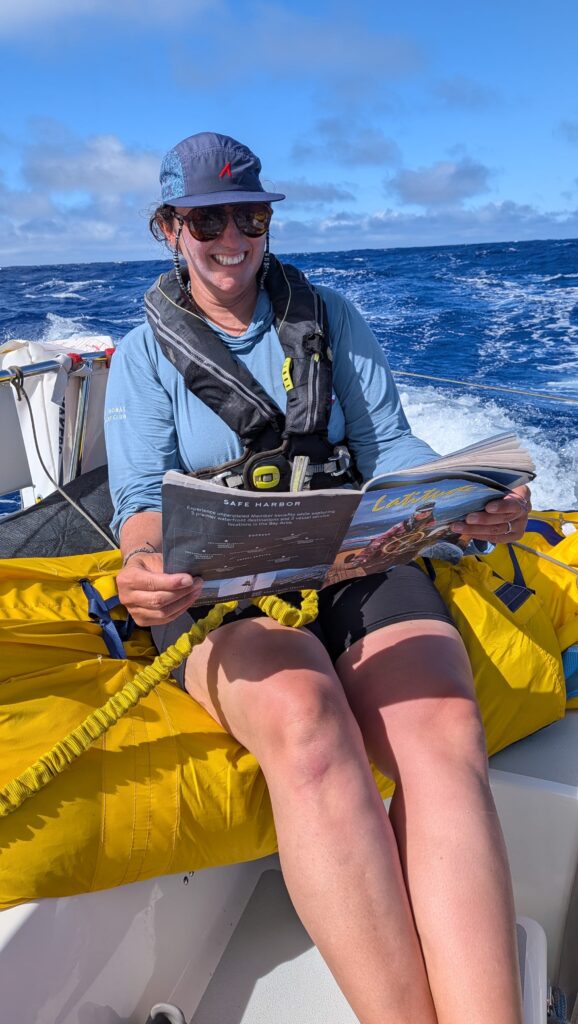
Dorado also had something enormously valuable aboard: experience. Two members of the crew had each accumulated roughly 10 Pacific Cup or Transpac crossings. When the boat fell behind, they didn’t panic. Their attitude was essentially: we’re behind today; let’s see what tomorrow brings.
Meanwhile, everyone continued doing their jobs. Batteries were charged. Meals were made. Systems were maintained. Sails were managed. Instead of wasting energy worrying about the leaderboard, the crew kept Dorado functioning so the sailors could concentrate on sailing.
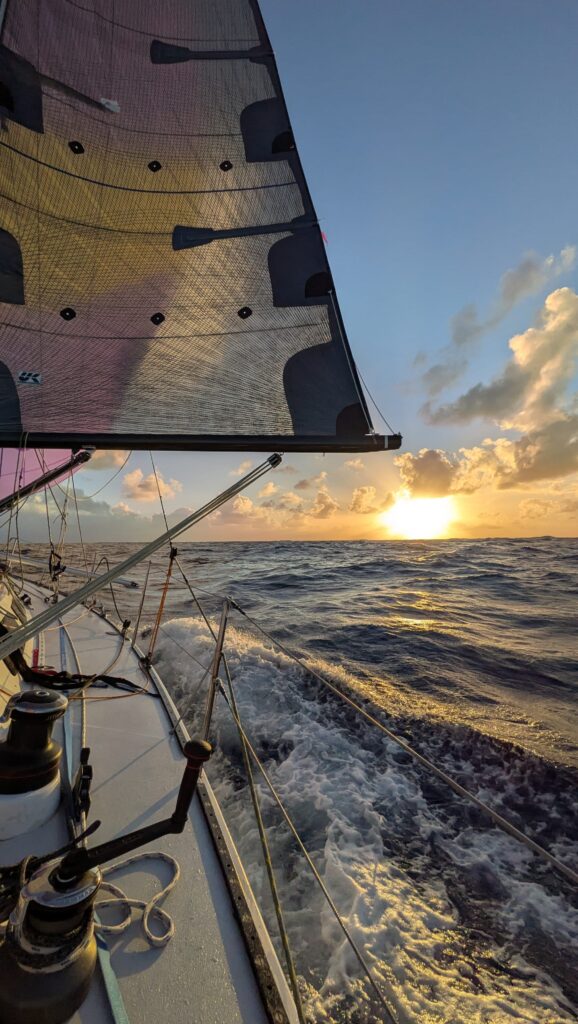
Eventually, “tomorrow” did bring something different. Dorado reached the trade winds and she began to sprint. The last 500 NM of the race were fast and the boat’s surfing hull design made quick work of catching up and then passing the closest competitors.
The crew caught the boats ahead of them and continued closing the gap. What had looked like a disappointing middle of the race became a comeback.
Even then, victory wasn’t certain. Dorado’s closest competitor owed them only about five hours on corrected time, any light wind between them and Hawaii could have transformed the final few miles into an agonizing crawl.
Only in the final hours, with gusts reaching 20 to 25 knots, did the crew begin to believe they had it. Just after Sunset on Saturday, July 18th, they crossed the finish line, first place was in the bag!
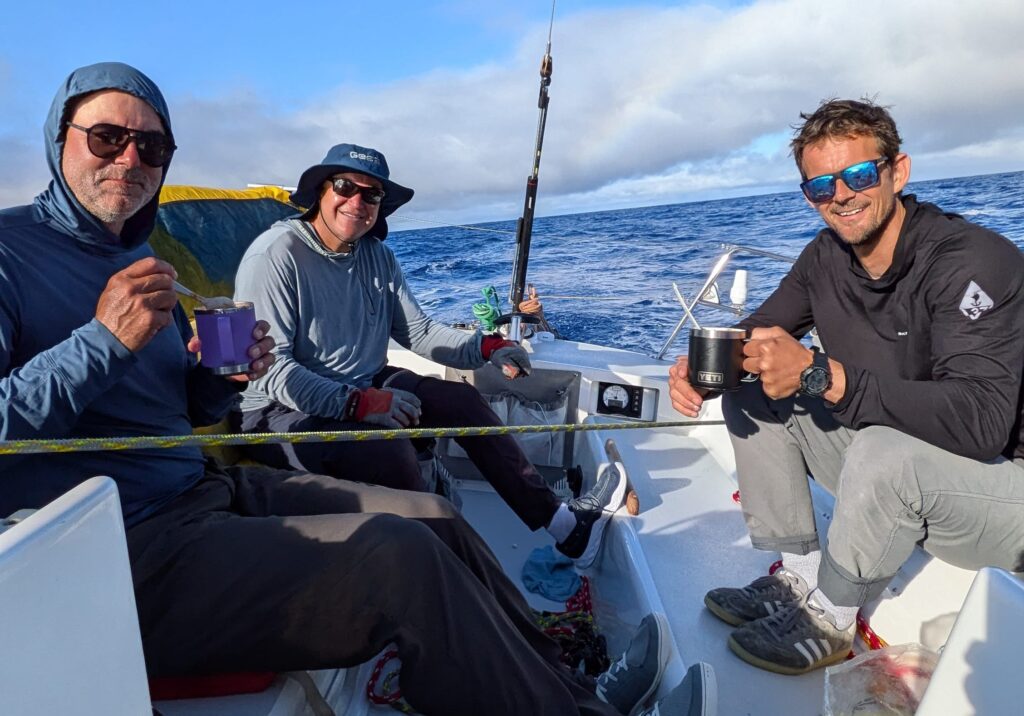
Eleven Days of Life at Sea
Offshore sailing has a way of reducing life to its essentials: sail, steer, eat, sleep, maintain the boat, repeat.It is also surprisingly physical.
Maixner began strength training months before the race because she wanted to arrive aboard Dorado feeling strong. Even with that preparation, she remembered being sore within the first 24 hours.
Simply existing on a moving offshore boat requires effort. Your body is constantly stabilizing itself. Moving across the deck becomes exercise. Sleeping often means wedging yourself into a bunk so you don’t roll around as the boat rocks with the seastate.
Then there is temperature.
The departure from San Francisco meant temperatures in the 50s, wet conditions and several days of cold-weather gear. As Dorado sailed southwest, everything changed. By the second half of the race, nighttime temperatures climbed into the 70s and eventually toward 80 degrees.
Preparing for offshore sailing therefore means anticipating not one environment, but several.
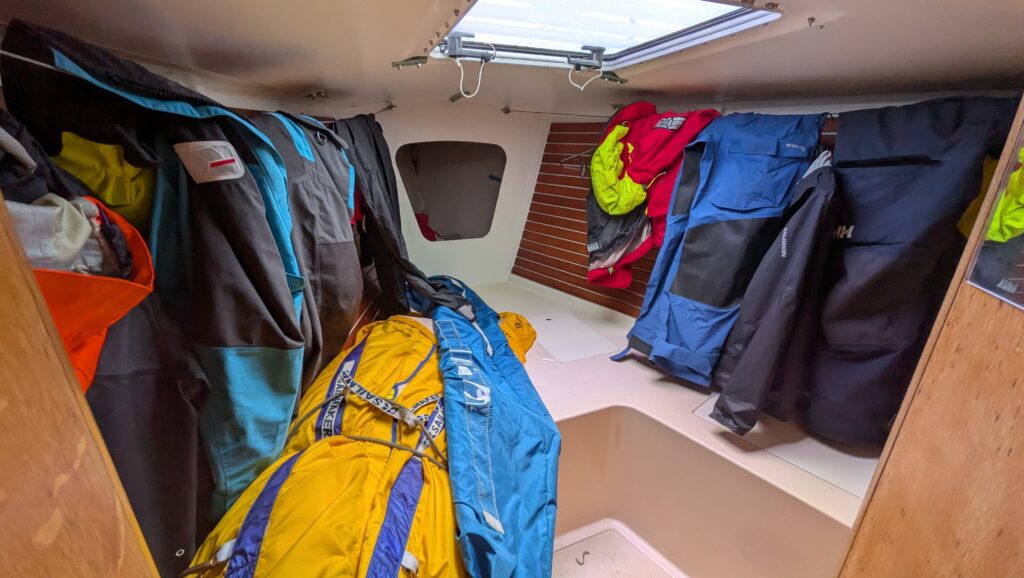
On a racing boat, there is another complication: weight matters. Crew members couldn’t simply bring everything that might make them comfortable. Maixner described a deliberately minimalist approach—perhaps three shirts, a sun hoodie, appropriate base layers and just enough warm gear to safely manage the first cold days.
Food required similar planning.
The crew began with several homemade meals that had been prepared and frozen before departure, including meals contributed by members of their sailing community. As those disappeared, dinners transitioned toward practical offshore fare such as curries, pasta with jarred meat sauce. Snacks and energy bars filled the gaps, while hydration and electrolytes became increasingly important as the weather warmed.
Offshore provisioning, Maixner explained, is something learned through experience. After years of provisioning deliveries and long passages, she had developed a feel for what sailors actually eat at sea—not merely what sounds appealing while standing in a grocery store.
That experience matters because offshore sailing is filled with small problems that can become large ones if they are ignored.

Education Creates the Foundation
Maixner’s journey to winning the Pacific Cup didn’t begin aboard an offshore race boat.
When she moved to San Francisco in 2013, she had only a small taste of sailing. After meeting sailors in Italy who encouraged her to try the sport, she arrived in California deciding she would become either a surfer or a sailor.
The cold Pacific helped settle the question.
Soon she was sailing regularly on San Francisco Bay, including aboard a J/88 named Inconceivable. She quickly realized enthusiasm wasn’t enough.
“I need to figure out what I’m doing,” she remembered thinking.
So she enrolled at an American Sailing school.
From there, sailing gradually became more than recreation. It became a lifestyle and eventually a career. She worked aboard boats, managed a sailing school, helped develop a women’s sailing program, became an instructor and delivery skipper, and accumulated thousands of miles of experience.
American Sailing certifications provided structure as those experiences accumulated.
Maixner points to ASA 101, Keelboat Sailing 1, as the natural starting point. It’s where sailors establish the fundamental boat-handling and sailing skills upon which everything else is built. From there, each new certification can expand both competence and the possibilities of where sailing can take you.
Explore ASA 101, Keelboat Sailing 1
For Maixner, ASA 104, Bareboat Cruising, was particularly significant because it is where individual sailing skills begin becoming something larger: independence. The course develops the skills needed to skipper a cruising boat on multi-day trips, including provisioning, route planning, navigation, boat systems and emergency procedures.
It’s when a new sailor sailor begins realizing, I can do this.
The ability to charter a boat, travel somewhere unfamiliar and explore by sail opens an entirely different world.
Explore ASA 104, Bareboat Cruising
For sailors looking farther offshore, ASA 106, Advanced Coastal Cruising, takes that progression another step. The course emphasizes extended passages and more challenging conditions, including advanced sail handling, night navigation, heavy-weather tactics, emergency procedures, boat management and decision-making.
Explore ASA 106, Advanced Coastal Cruising
Certifications alone, however, aren’t a ticket across an ocean. They create a foundation upon which experience can be built.
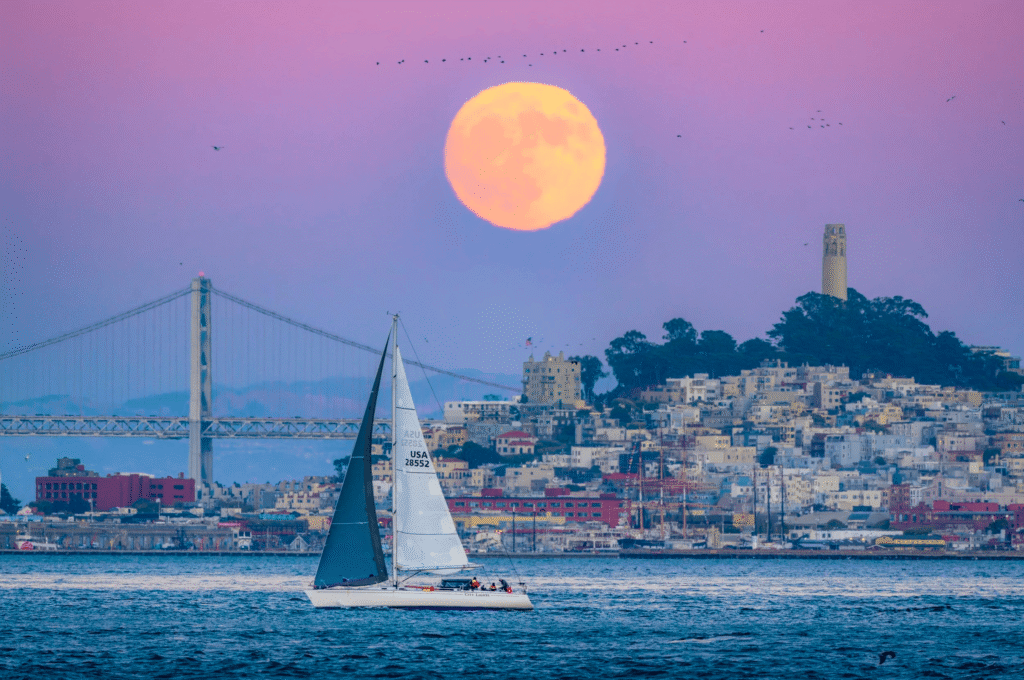
Photo credit: Matthew Raifman Photography
How Do You Know When You’re Ready?
Ask sailors when someone is ready for an ocean passage and you will rarely receive a precise number of certifications, races or sea miles.
Maixner’s answer begins somewhere more fundamental: you need to be comfortable with the basics.
You should be able to steer the boat confidently. You should understand tacking and jibing. You should know how the boat reefs and how to heave-to. More importantly, you should understand how your particular boat behaves when conditions change.
Why emphasize such seemingly basic skills?
Because offshore, the basics are what you fall back on when sophisticated things stop working.
An autopilot can fail. A system can break. Conditions can deteriorate. Hundreds of miles offshore, another boat may be 50, 100 or 150 miles away. Help isn’t necessarily coming quickly.
One Dorado crewmember, Maixner noted, had never completed a major ocean passage before this Pacific Cup. His previous offshore experience consisted primarily of shorter California passages, including trips to Catalina. Yet he brought valuable systems knowledge to the crew and had developed the foundational sailing competence inshore and on coastal passages that helped them make the leap.
There is no universal moment when a sailor becomes “ready.”
Instead, readiness grows from education, competence, experience, good judgment and increasingly ambitious opportunities.
From Wednesday-Night Racing to Hawaii
For sailors dreaming about racing across an ocean, the starting point may be much closer to home.
Join a sailing club. Become involved with a yacht club. Take classes. Find racing opportunities. Volunteer as crew. Meet sailors. Sail regularly.
Maixner’s own offshore opportunities came through relationships she developed within sailing. Her first ocean crossing resulted from an invitation from one of her students. Her Pacific Cup opportunities grew from sailors she had raced and worked with previously.
Local racing is especially valuable because it teaches habits that transfer offshore: sail trim, boat handling, teamwork, situational awareness and the discipline of continuing to race rather than simply riding along.
But the path to stepping aboard an offshore race boat moment doesn’t require being an extraordinary sailor.
It requires the first step, the beginning.
Take ASA 101. Keep learning. Work toward ASA 104. Go charter somewhere new. Race on Wednesday nights. Learn a few positions aboard the boat. Sail outside the harbor. Take the longer passage. Study navigation. Practice reefing before you need to reef. Find sailors with more experience than you and listen to them.
For sailors ready to progress through that path, American Sailing’s full certification program provides a roadmap from introductory sailing through advanced cruising and navigation.
Explore American Sailing Certifications
Then keep going.
Ten years after Maixner began seriously learning to sail, she raced her first Pacific Cup to Hawaii and then helped skipper the boat back to California. Two years later, she returned aboard Dorado and won her division.
Now she’s thinking about what comes next: perhaps the Transpac, perhaps doublehanded racing, and someday possibly something even more ambitious.
That progression contains perhaps the most encouraging lesson of her story. Offshore sailors aren’t born knowing how to cross oceans. They become offshore sailors through hundreds of smaller decisions to learn, practice, participate and say yes when the next opportunity arrives.
“I think everyone can do it,” Maixner said. Sailing requires time, drive and passion, but the ocean isn’t reserved for some special category of sailor.
The Pacific Cup finish line may be 2,100 miles away from San Francisco.
The journey to it begins much closer to home.
About the Author
Christy McFerren is a sailor and sailing instructor holding American Sailing certifications 101–106, 114, and 201–202. She is a member of the Austin Yacht Club sailing instruction team and Catalina fleet, and prior to that completed her 100-level certifications with Outbound Sailing. Christy sails most weekends on Lake Travis in Austin, Texas, with her husband and son aboard Doxa, their Catalina 27, and has bareboat chartered throughout the Caribbean. She’s also a PADI scuba instructor at Dive World Austin and a private pilot who loves exploring above, on, and below the waves.