


Online class overview
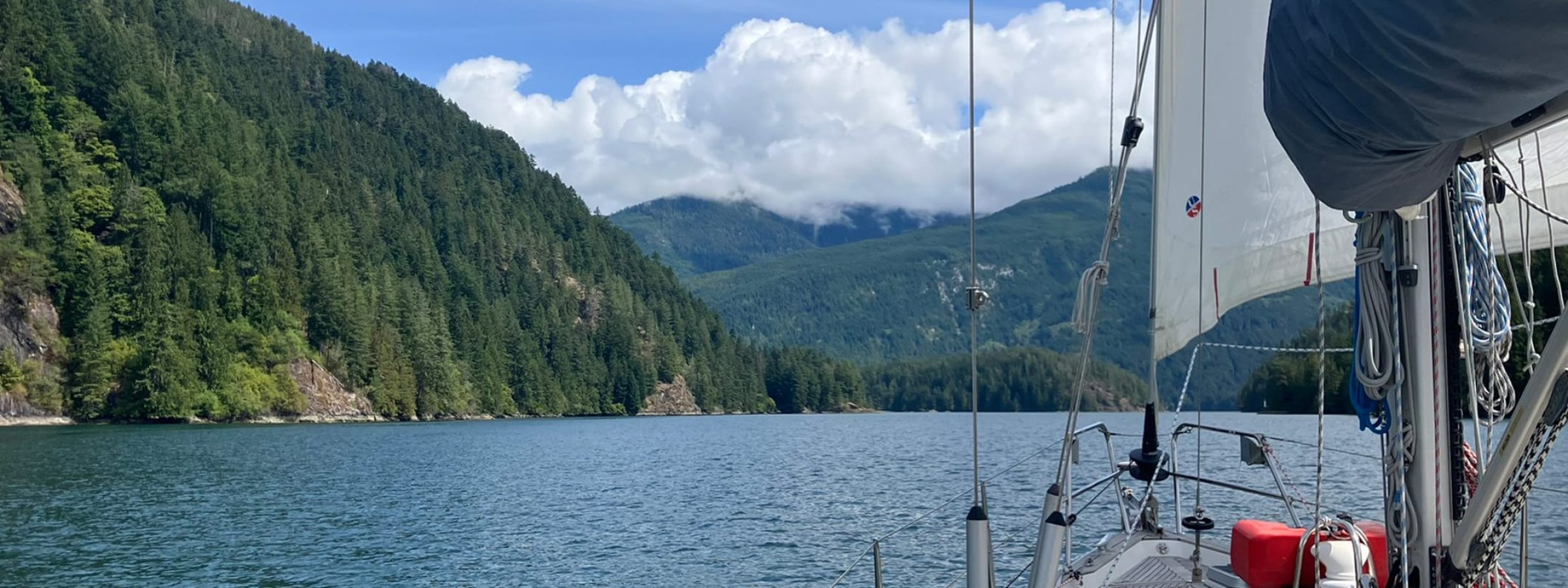
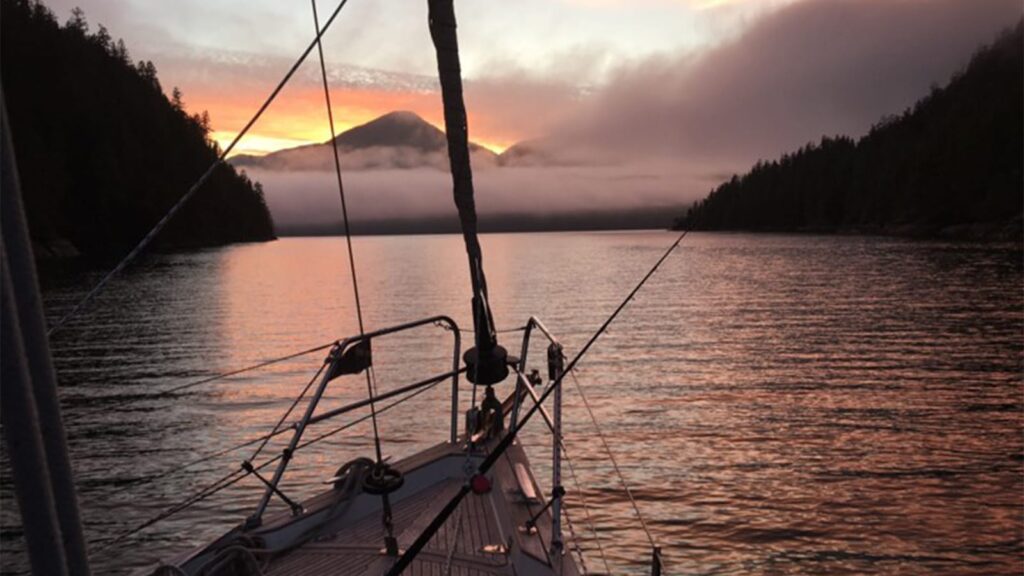
Explore the wild, rugged coastline of Vancouver Island — a premier sailing destination full of stunning anchorages, remote inlets, and vibrant coastal communities.
Who is this online class for?
This class is ideal for sailors and cruisers planning coastal voyages along Vancouver Island’s rugged west coast who want practical knowledge for safe and enjoyable cruising. It’s also a great fit for adventurers eager to explore remote anchorages, secluded inlets, and small coastal communities along British Columbia’s wild coastline. Whether you’re interested in learning how to safely navigate, provision, and plan passages in remote coastal temperate waters, or you’re seeking insights into local wildlife, anchorages, and cultural highlights, this course offers valuable guidance for anyone preparing to cruise this unforgettable region.
What will I learn?
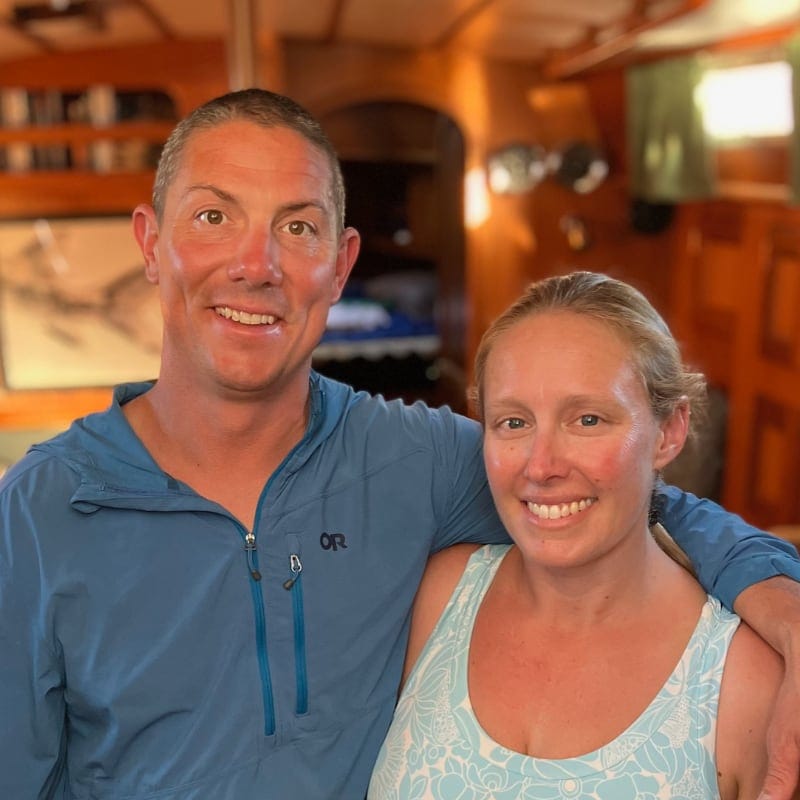
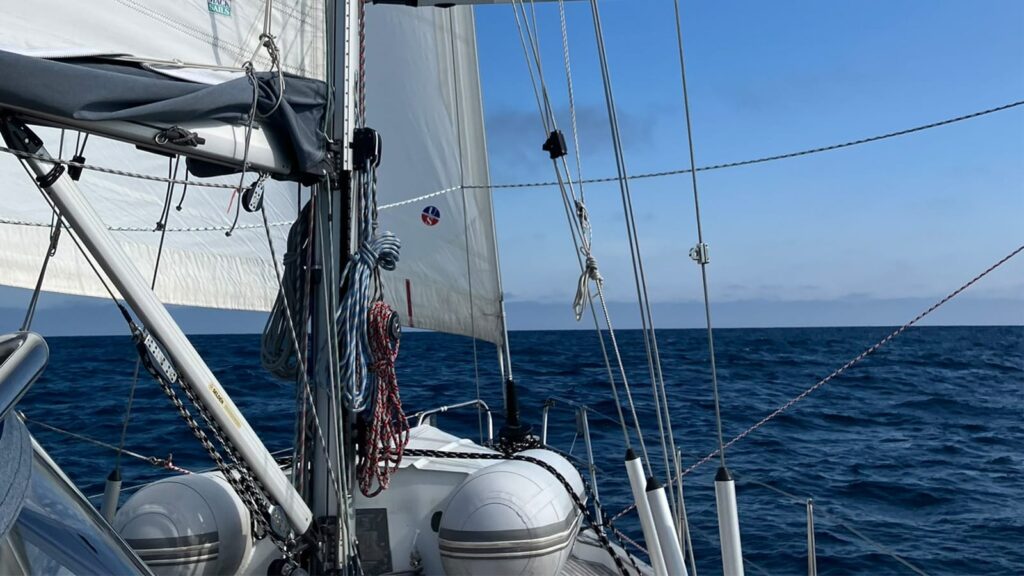
Discover one of British Columbia’s most breathtaking coastal cruising areas. The west coast of Vancouver Island offers approximately 350 miles of downwind sailing divided into manageable legs, making it an ideal shakedown cruise for offshore adventures to come. In this class, Gio and Julie Cappelli will guide you through the essentials of cruising the wild west coast of Vancouver Island. Drawing from years of experience navigating these remote waters, they’ll cover everything you need to know to plan and execute a successful trip. You’ll learn how to read weather and tides to take advantage of the predominantly downwind passages, navigate safely through inlets and fjords, and identify prime anchorages. Whether you’re planning a voyage south from Port Hardy to Victoria or Neah Bay, or looking to sail north toward Barkley Sound via the Strait of Juan de Fuca, this course will provide practical strategies for provisioning, route planning, and managing variable conditions. You’ll also get insights on wildlife viewing, local culture, and how to fish responsibly to enhance your cruising experience.
List of topics:
- Overview of the west coast cruising region and key routes
- Weather patterns and tidal influences for safe and efficient passage planning
- Navigation tips for sheltered inlets, fjords, and open coastal legs
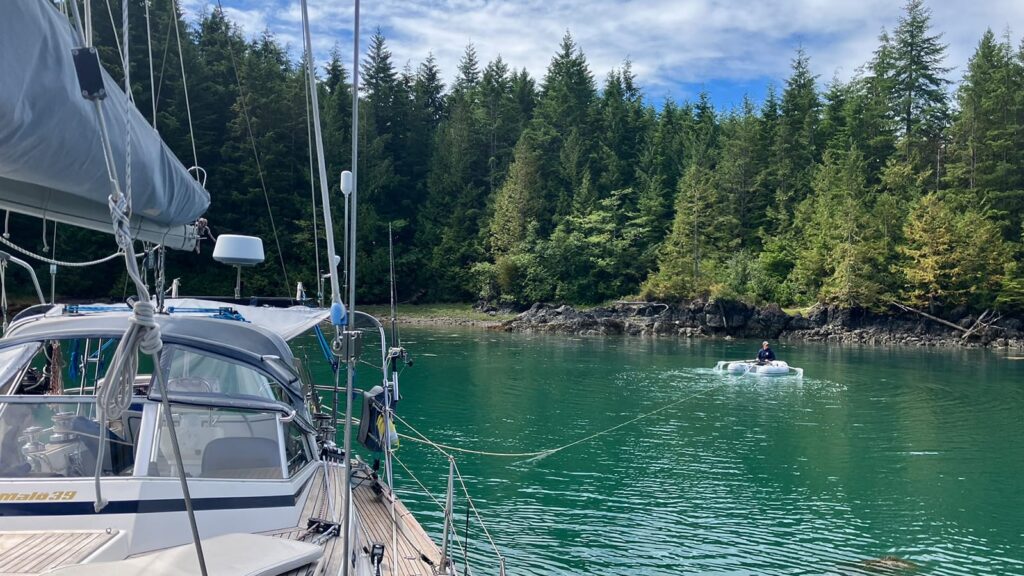
- Anchorages: how to find and choose the best spots for safety and scenery
- Provisioning for multi-day coastal cruising with a focus on sustainability
- Wildlife and environmental considerations for respectful cruising
- Strategies for fishing and gathering fresh food along the route
- Coastal village highlights and local resources for cruisers
- Safety protocols for variable weather and emergency preparedness
- Tips to maximize comfort and enjoyment while cruising in remote places