



Online class overview
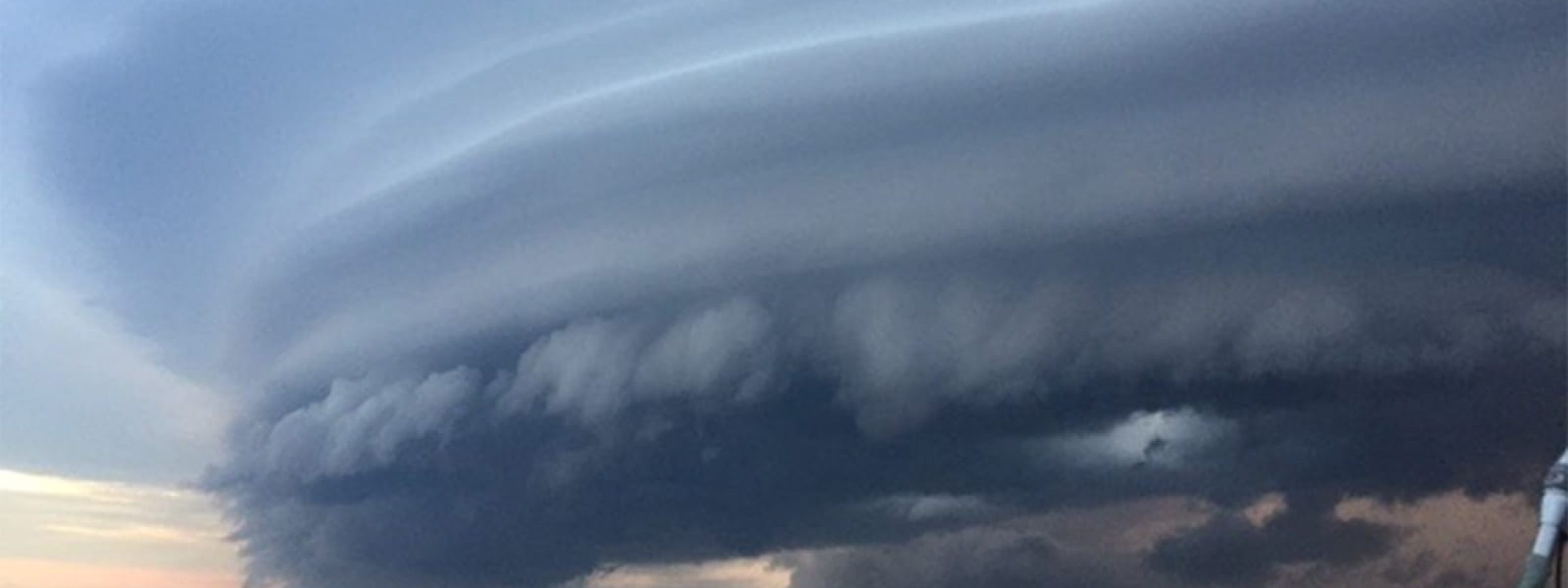
This comprehensive online course is designed to take the guesswork out of heavy weather sailing. We begin by analyzing the subtle warning signs both in the sky and through the helm, that signal it’s time to shorten sail. From there, you will get a step-by-step breakdown of both traditional slab (jiffy) reefing and modern in-mast/in-boom furling systems. Beyond the lines and winches, we will dive into the physics of sail trim, explaining how to flatten your draft and twist off the top of your sails to reduce heel. By the end of this online class, you’ll have a repeatable, stress-free protocol for managing your canvas, ensuring safety and comfort for your entire crew.
Who is this online class for?
This online class is ideal for day sailors and coastal cruisers looking to build confidence when the afternoon breeze catches them by surprise. It is also highly valuable for aspiring offshore passage-makers who want to master efficient, shorthanded reefing protocols before heading out of sight of land.
What will I learn?
You will learn the definitive signs that indicate your boat is overpowered and exactly how to execute a reef seamlessly while maintaining steerage. We will teach you how to set up your lines for efficient shorthanded operations and how to balance the boat using your mainsail and jib working in tandem. Ultimately, you will gain the confidence to handle unexpected high-wind scenarios with calm, precise seamanship.
List of topics:
- Recognizing the Triggers: Interpreting weather forecasts, reading apparent wind spikes, and identifying helm pressure before you are overpowered.
- The Slab Reefing Blueprint: A step-by-step guide to halyard management, reefing hooks, and tightening the clew outhaul line.
- Furling Systems Decoded: Best practices for operating in-mast and roller-furling systems without jamming or binding the sail.
- De-powering Without Reefing: Adjusting the traveler, backstay, boom vang, and fairleads to flatten the sail and spill excess wind.
- Shorthanded Execution: Safety protocols, running lines to the cockpit, and using the autopilot to maintain a safe heading while reefing alone.
- Shaking Out the Reef: How to safely drop the reef and re-hoist your full canvas as the wind abates without damaging your gear.