


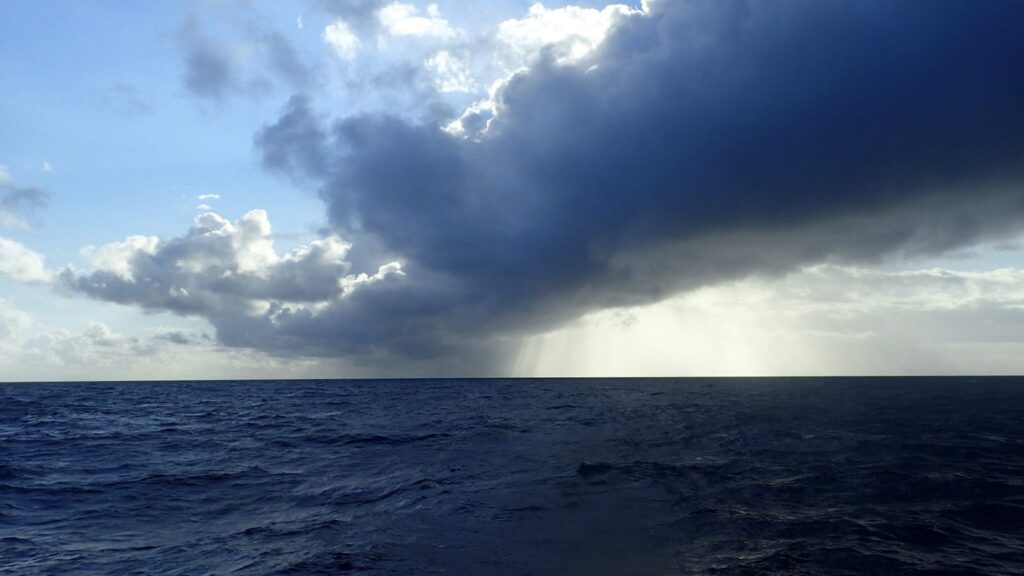
Online class overview
Effective weather planning is more than checking a forecast—it’s a process that starts long before you set sail. This course breaks that process down into actionable steps. You’ll learn how to shape your route using real-time data, anticipate changes, and manage your plan underway.
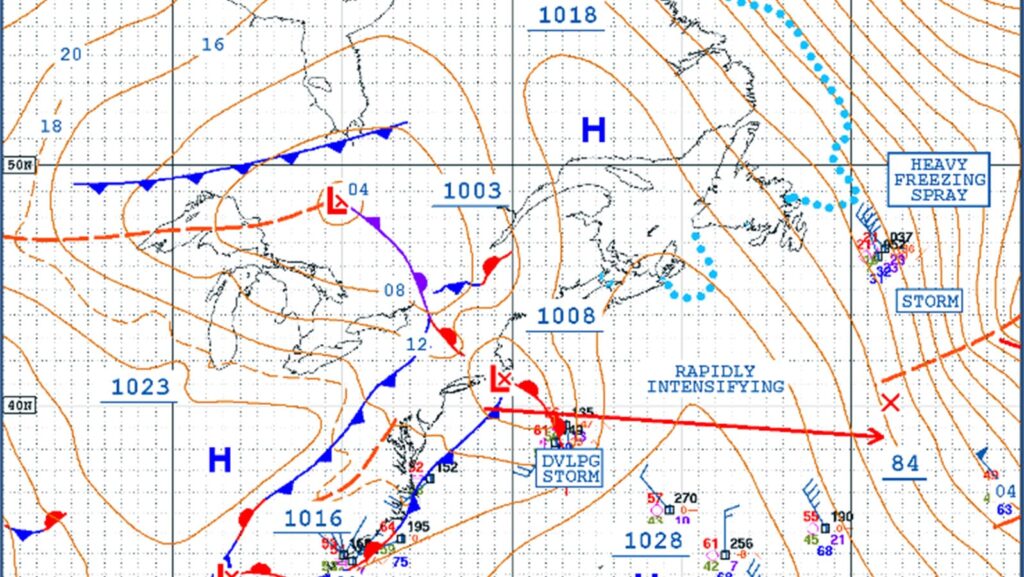
From understanding GRIB files to working with weather routers and analyzing synoptic charts, this course brings clarity to the complexity of marine weather. You’ll apply everything you learn to a real-world passage scenario from Norfolk to the USVI.
Who is this online class for?
This course is designed for sailors planning coastal or ocean passages. Whether you’re just starting to build your passage-planning skills or are looking to strengthen your weather integration strategies, this course delivers practical techniques you can apply right away.
What will I learn?
By the end of this two-part course, you’ll walk away with:
- A step-by-step methodology for route and weather planning
- Confidence in interpreting forecast tools and synoptic products
- A better understanding of how to adjust your plan underway
- Strategies to optimize comfort, safety, and efficiency offshore
List of topics:
SESSION 1 (Tuesday September 29th): Planning the Passage – Strategy & Structure, Weather Data
Objective: Build a passage plan by blending boat capability, route design, tides, and climatology.
- Introduction: You can’t control the weather—but you can plan to optimize it
- 10-step Passage Planning Methodology
- Performance Criteria & Constraints
- Navigation Basics
- Tides & Currents
- Marine Weather Basics
- Forecasting Sources
SESSION 2 (Thursday October 1st): GRIBs, Forecasting & Real-World Application
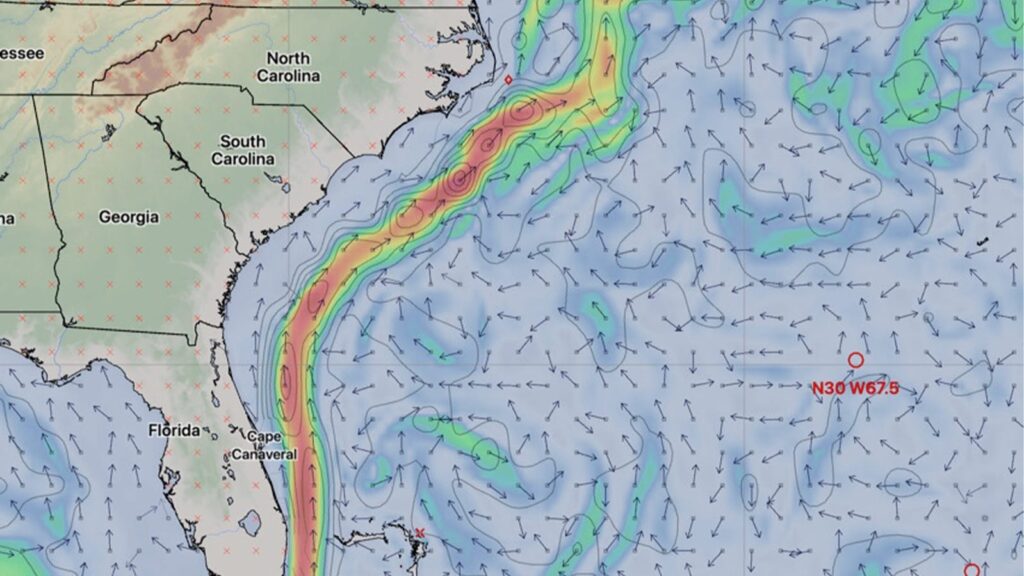
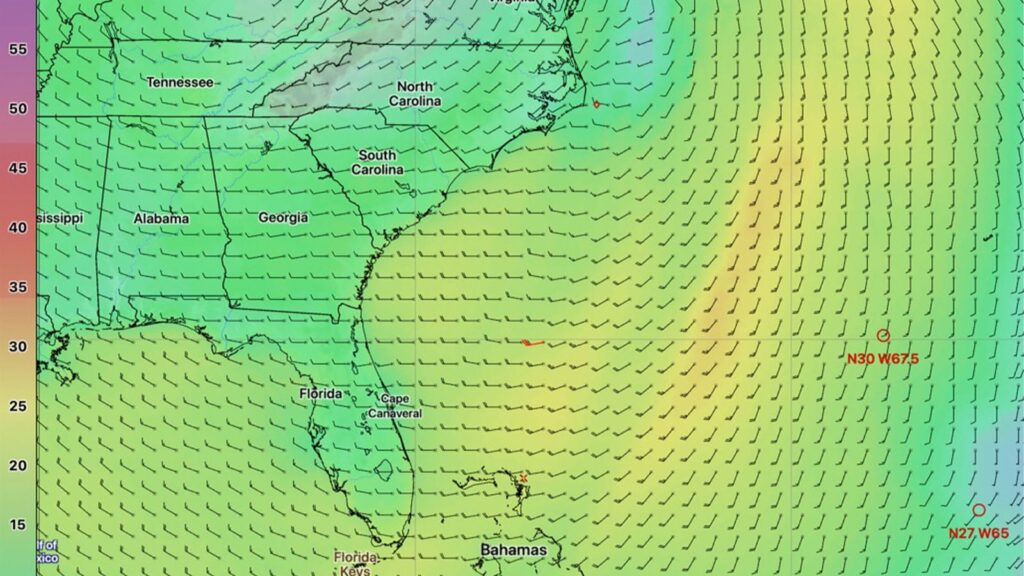
- GRIB Files & Weather Models
- Weather Routing
- Human vs automated services
- Tools: PredictWind, LuckGrib, Expedition, Aqua Map, etc.
- Getting Data Offshore
- SSB, SiriusXM, Iridium, Starlink
- Passage Scenario: Norfolk, VA to USVI