
Table of contents
- Frequently Asked Questions About Sailing
- Can You Learn to Sail at Any Age?
- How Long Does It Take to Learn to Sail?
- Can You Sail Without Owning a Boat?
- Is Sailing Expensive?
- Can One Person Sail a Sailboat?
- What Size Sailboat Should a Beginner Buy?
- What Is the Easiest Place to Learn Sailing?
- How Much Wind Do You Need to Sail?
- Is Sailing Harder Than Driving a Boat?
- Do You Need a License to Sail?
- Can You Charter a Boat After ASA 104?
- What’s the Difference Between Sailing and Yachting?
- How Do I Become a Liveaboard Sailor?
- What Should I Wear Sailing?
- Can Kids Learn to Sail?
- Start Your Sailing Journey
- Frequently Asked Questions (Quick Answers)
Frequently Asked Questions About Sailing
Whether you’re dreaming about sailing your first boat, chartering in the Caribbean, or simply wondering if sailing is right for you, these are the questions people ask most often.
American Sailing has helped more than half a million sailors learn the skills and confidence to enjoy life on the water. Here are the answers every future sailor should know.
Can You Learn to Sail at Any Age?
Absolutely.
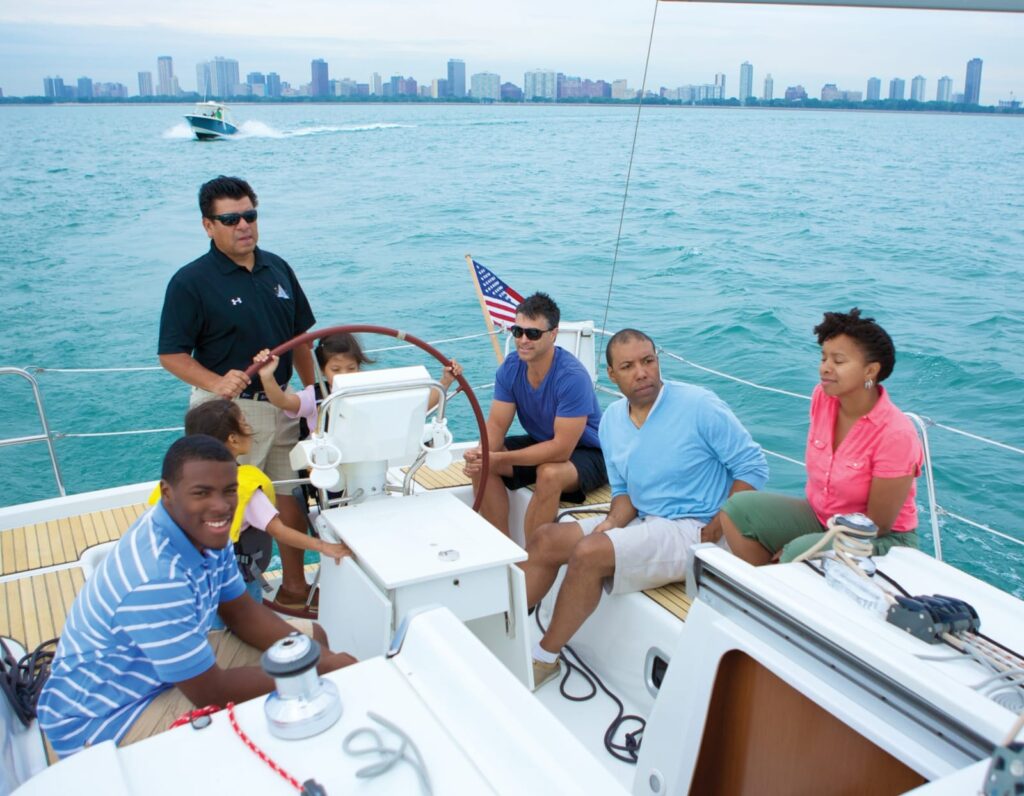
People begin sailing in their teens, twenties, fifties, sixties, and even seventies. There is no upper age limit for learning to sail.
Adults often become excellent sailors because they:
- Learn safety procedures carefully
- Have patience
- Make thoughtful decisions
- Enjoy structured instruction
Children can also begin learning through youth sailing programs that focus on fun and water confidence.
The key isn’t age—it’s receiving quality instruction from experienced sailing instructors.
How Long Does It Take to Learn to Sail?
Most beginners can learn the fundamentals in two to three days.
A typical progression looks like this:
- One-day introduction: Learn basic terminology and steering.
- Weekend course: Gain confidence sailing in moderate conditions.
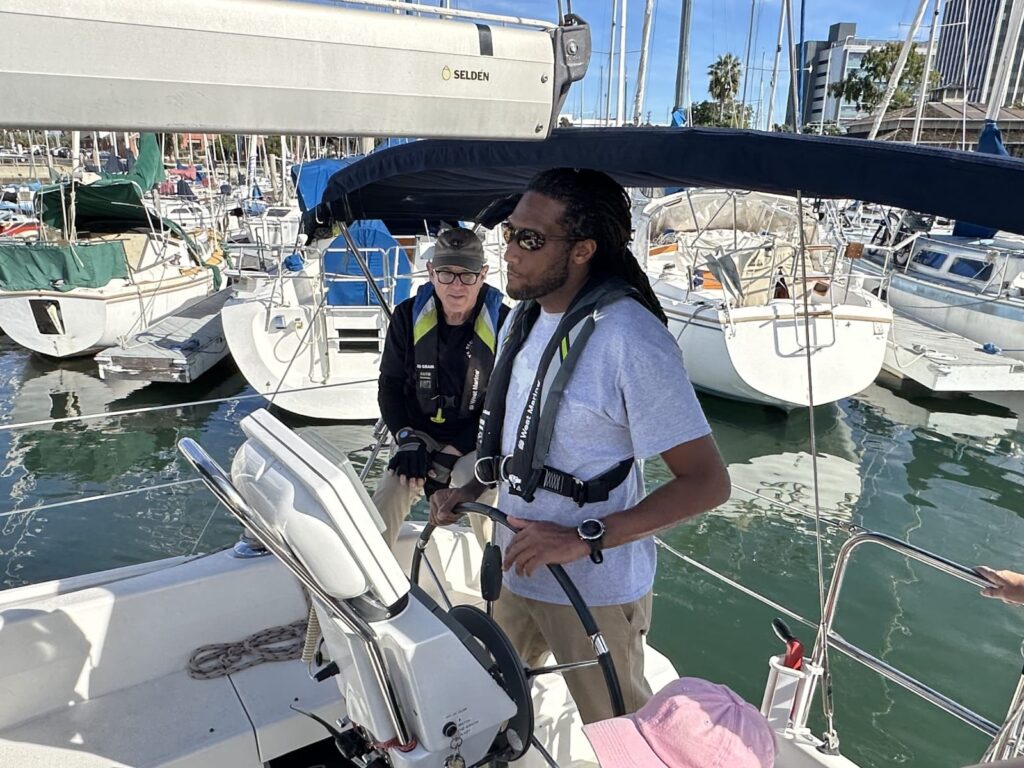
- ASA 101 certification: Typically completed over 2–3 days.
- ASA 103 & ASA 104: Usually completed over several additional weekends or an immersive week-long course.
Many schools also offer “Zero to Hero” programs where students complete multiple certifications in one week.
Learning never truly ends—experienced sailors continue improving throughout their lives.
Can You Sail Without Owning a Boat?
Yes—and many sailors never own one.
Popular options include:
- Sailing clubs
- Boat-sharing memberships
- Sailing schools
- Crewed charters
- Bareboat charters
- Flotillas
- Sailing vacations
In fact, many experienced sailors find chartering provides all the enjoyment with far fewer expenses than ownership.
Is Sailing Expensive?
It depends on how you choose to enjoy it.
Learning to sail is often comparable to taking skiing lessons or learning golf.
Typical costs include:
- Introductory sailing lesson
- Certification courses
- Club memberships
- Boat rentals
- Charters
Owning a sailboat is naturally more expensive due to:
- Marina fees
- Maintenance
- Insurance
- Repairs
- Winter storage (in colder climates)
Many sailors spend decades enjoying sailing without purchasing a boat.
Can One Person Sail a Sailboat?
Yes.
Many sailboats are specifically designed for single-handed sailing.
Most solo sailors start with boats between:
- 20–30 feet
Before sailing alone, it’s recommended that sailors become comfortable with:
- Docking
- Sail trim
- Anchoring
- Weather awareness
- Emergency procedures
Most instructors recommend gaining experience with a crew before sailing solo.
What Size Sailboat Should a Beginner Buy?
For most new sailors, boats between 22 and 30 feet are ideal.
These boats offer:
- Easier handling
- Lower maintenance costs
- Affordable dockage
- Simpler systems
- Forgiving performance
Avoid buying the largest boat you can afford.
Instead, buy the boat you’ll actually use often.
Many experienced sailors recommend learning to sail and chartering different boats before purchasing one.
What Is the Easiest Place to Learn Sailing?
The best locations offer:
- Consistent winds
- Protected water
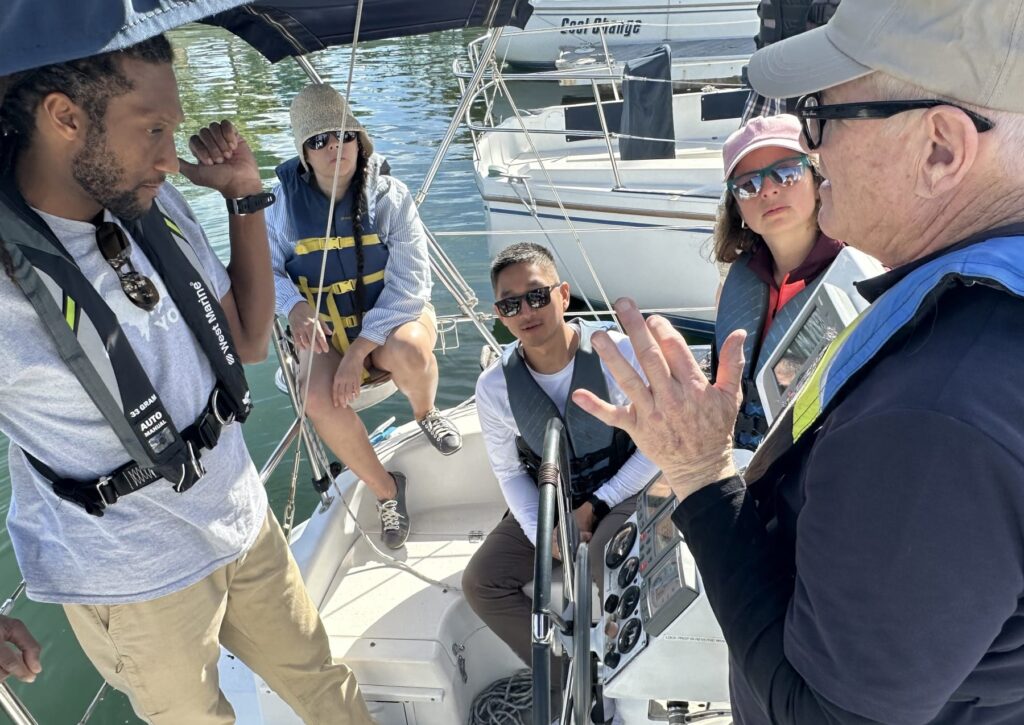
- Experienced instructors
- Modern training boats
Popular beginner destinations include:
- San Diego
- Annapolis
- Florida
- British Virgin Islands
- Chesapeake Bay
- Pacific Northwest
- New England
Learning conditions matter more than geography.
A great sailing school with experienced instructors is more important than a famous destination. Ready to get started? Find an American Sailing school.
How Much Wind Do You Need to Sail?
Most recreational sailing happens in:
8–18 knots of wind
General guidelines:
- Under 5 knots: Very light sailing
- 8–15 knots: Ideal for beginners
- 15–20 knots: Moderate sailing
- 20+ knots: Better suited to experienced sailors
Professional instruction helps new sailors understand how to safely evaluate changing weather conditions.
Is Sailing Harder Than Driving a Boat?
Sailing has a steeper learning curve than operating a powerboat because sailors manage:
- Wind direction
- Sail trim
- Boat balance
- Navigation
- Weather
- Boat speed
However, many people find sailing more rewarding because it combines strategy, skill, and nature.
Once the fundamentals click, sailing becomes remarkably intuitive.
Do You Need a License to Sail?
In most parts of the United States, you do not need a license to sail your own recreational sailboat.
However, many charter companies require proof of sailing experience before allowing you to rent a boat.
The most common proof includes:
- ASA certifications
- Sailing resume
- Previous charter experience
Internationally, some countries require an International Proficiency Certificate (IPC) or equivalent documentation.
Can You Charter a Boat After ASA 104?
Yes.
ASA 104 Bareboat Cruising is the certification most charter companies recognize as the minimum qualification for bareboat charters.
ASA 104 demonstrates competence in:
- Docking
- Anchoring
- Navigation
- Boat systems
- Crew management
- Coastal cruising
Many charter companies will still review your sailing résumé and may ask about your recent experience, but ASA 104 is widely accepted as the foundation for bareboat chartering.
What’s the Difference Between Sailing and Yachting?
People often use the terms interchangeably, but there are differences.
Sailing refers to operating a vessel powered primarily by wind.
Yachting generally describes the recreational lifestyle surrounding boating, whether under sail or power.
Yachting may include:
- Cruising
- Racing
- Luxury travel
- Entertaining aboard
- Sailing vacations
In short:
Every sailor may enjoy yachting, but not every yacht is a sailboat.
How Do I Become a Liveaboard Sailor?
Living aboard is a dream for many sailors.
A typical path includes:
- Learn to sail.
- Earn coastal cruising certifications.
- Gain offshore experience.
- Charter different boats.
- Purchase a cruising sailboat.
- Learn maintenance skills.
- Develop navigation and weather knowledge.
- Build confidence through longer voyages.
Many future liveaboards spend several years gaining experience before moving aboard full time.
What Should I Wear Sailing?
Dress for the weather and expect to get wet.
Good sailing clothing includes:
- Non-marking deck shoes
- Quick-dry clothing
- Hat
- Sunglasses with retention strap
- Sunscreen
- Waterproof jacket
- Layers for changing temperatures
Avoid black-soled shoes that may mark the deck.
For cooler conditions, moisture-wicking base layers and lightweight foul-weather gear provide additional comfort.
Can Kids Learn to Sail?
Yes.
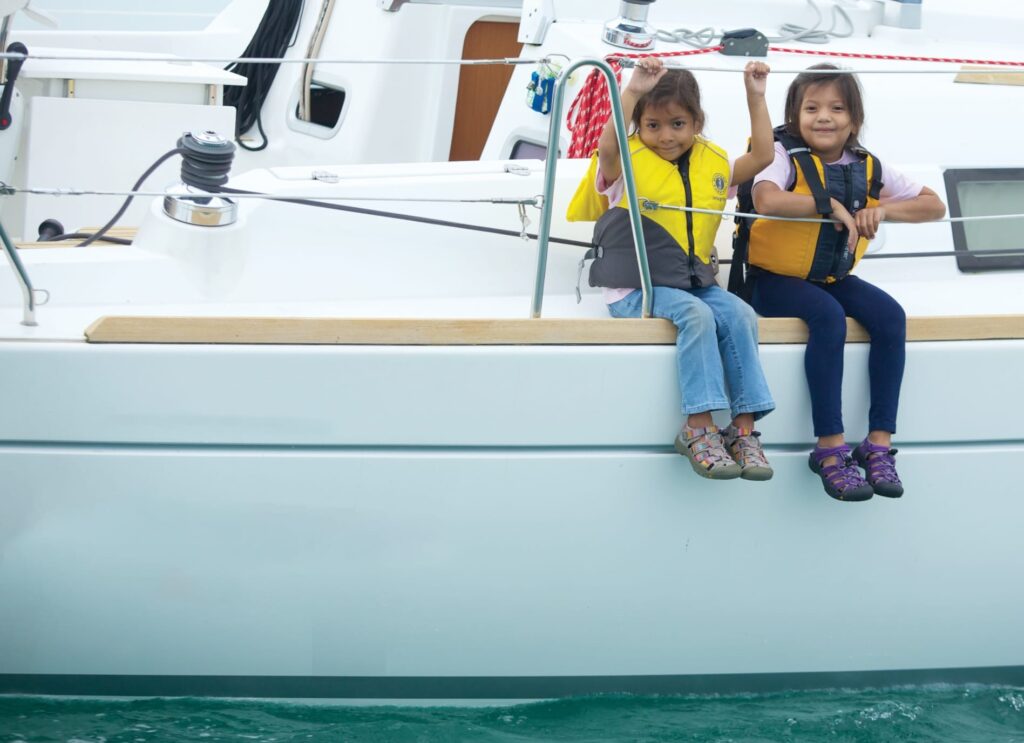
Many children begin sailing between ages 6 and 10 through youth sailing programs.
Benefits include:
- Confidence
- Responsibility
- Teamwork
- Decision making
- Outdoor activity
- Problem solving
Family sailing is one of the fastest-growing segments of recreational boating, and many parents enjoy earning certifications alongside their children.
Start Your Sailing Journey
Learning to sail opens the door to a lifetime of adventure, whether your goal is weekend sailing, racing, chartering around the world, or eventually living aboard.
The fastest and safest way to build confidence is through structured instruction with certified sailing schools. American Sailing’s network of more than 400 sailing schools worldwide offers courses ranging from introductory lessons to advanced bareboat cruising and offshore sailing certifications.
Whether you’re wondering if sailing is difficult, how much it costs, or what certification you need, the answer is the same: start with quality instruction, build experience one step at a time, and enjoy the journey.
Frequently Asked Questions (Quick Answers)
Can adults learn to sail?
Yes. Thousands of adults learn to sail every year, and many begin later in life.
Can I charter a sailboat after ASA 104?
Yes. ASA 104 Bareboat Cruising is the standard certification many charter companies look for before approving a bareboat charter.
Do I need to own a sailboat to learn?
No. Most students learn using boats provided by sailing schools and continue sailing through clubs, rentals, or charters.
Is sailing safe?
Yes. With proper training, good judgment, and attention to weather conditions, sailing is a safe recreational activity enjoyed by millions.
How long until I can sail by myself?
Many students are capable of sailing independently in favorable conditions after completing an introductory certification and gaining supervised practice.
What is the best first sailing certification?
For most beginners, ASA 101 – Basic Keelboat Sailing is the recommended starting point. It teaches essential boat handling, safety, sail trim, and seamanship skills that form the foundation for all future sailing.