




by American Sailing
Table of contents
Are You Relying Too Much on GPS?
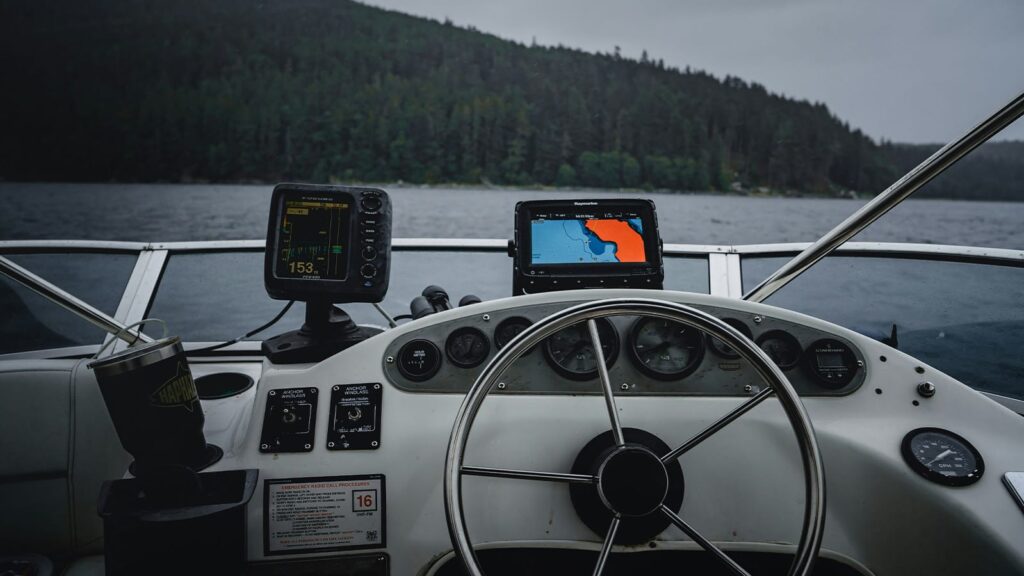
Modern navigation technology has changed the way we sail. GPS, chartplotters, tablets, and navigation apps can tell us where we are with incredible precision. But has having all that information made us better navigators, or simply better at watching screens?
In American Sailing’s Integrated Navigation online course, Captain Rick Robey explores how sailors can take advantage of modern navigation technology, all without losing the traditional seamanship skills and situational awareness that keep us safe on the water.
When Technology Becomes a Distraction
Captain Rick Robey has been sailing since 1980 and brings a unique perspective from his 30-year career as a submarine officer in the U.S. Navy. His approach to navigation centers on a simple philosophy: technology should confirm your understanding of the world around you, not create it for you.
During the course, Rick demonstrates how even sophisticated electronic navigation tools can provide misleading information. Next, he examines real-world maritime incidents where technology, distraction, and situational awareness collided, including the grounding of the Ever Forward in Chesapeake Bay.
The takeaway isn’t to abandon your electronics. Far from it.
It’s learning how to use them better.
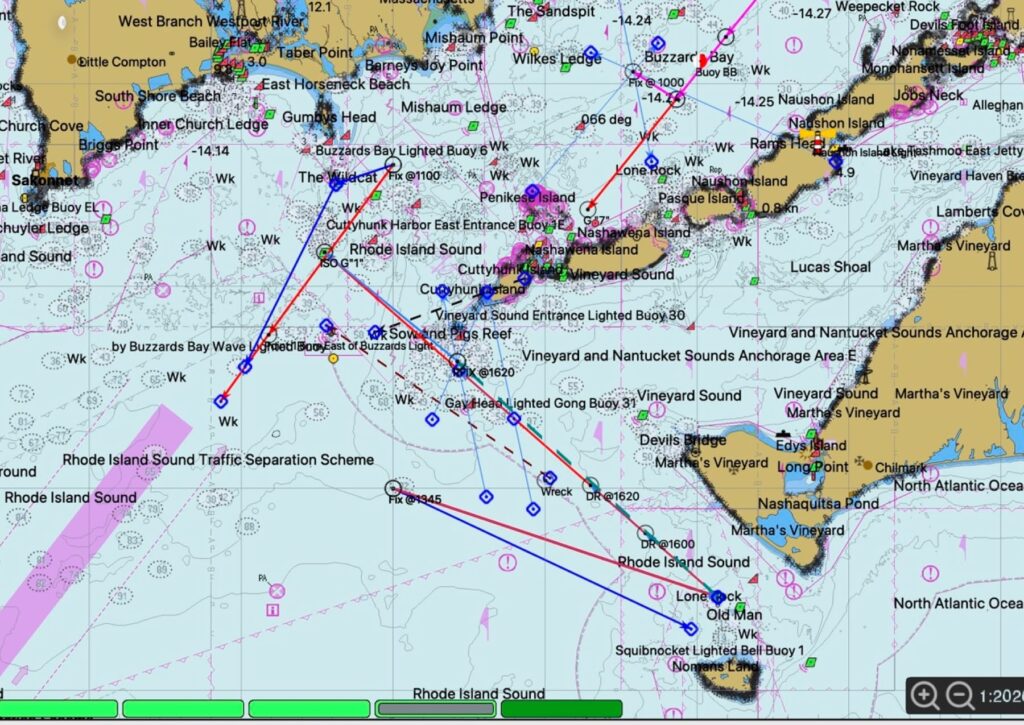
What Does an Integrated Navigator Do Differently?
Rick takes sailors from the earliest methods of wayfinding through today’s GPS-driven world, exploring what we may have gained and what we may have lost along the way.
He introduces practical techniques for staying mentally engaged while underway, cross-checking what your electronics are telling you, maintaining navigation redundancy, and recognizing when something simply doesn’t look right.
He also shares a simple rule for maintaining situational awareness aboard your boat. We won’t give that one away here.
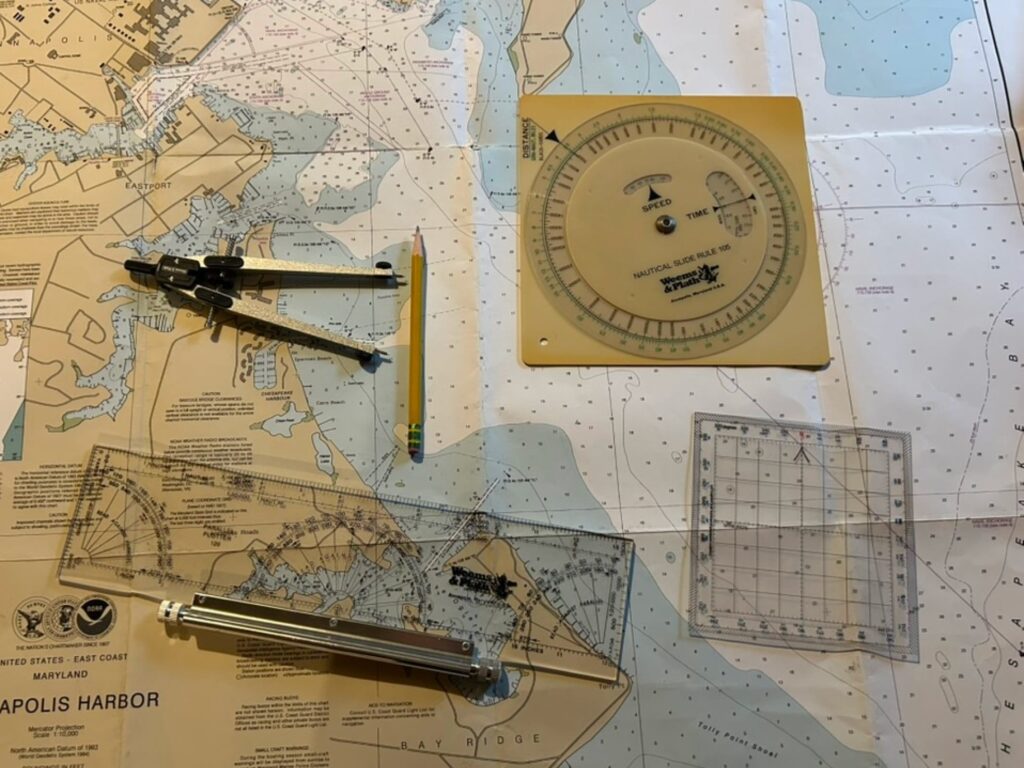
Become the Navigator, Not the Passenger
Whether you’re coastal cruising, preparing for longer passages, or simply want to feel more confident navigating your local waters, Integrated Navigation will change the way you think about the tools at your helm.
The goal isn’t to sail without technology. It’s to make sure that when the technology is doing its job, you’re still doing yours.
Integrated Navigation with Captain Rick Robey is now available to watch on demand through American Sailing.
Join The Discussion
-
Do You Think It’s Possible to Rely on GPS Too Much?
Maybe you know of someone who over-relied on GPS and ended up in a bad situation. Or maybe that someone was you! What are your thoughts on modern sailors’ reliance on GPS?
https://americansailing.com/articles/are-we-letting-gps-do-too-much-thinking/
americansailing.com
Are We Letting GPS Do Too Much Thinking?
GPS won't save you if you've stopped thinking critically. Learn how to use modern navigation technology without losing the seamanship skills that keep you safe.





Log in to reply.