




Seamanship is the art of operating a vessel. Specifically, it is a compilation of the skills and knowledge entailed in navigation, boat handling, maintenance, and the law of the sea. It involves working as part of a crew and when the occasion arises, leading a crew in the role of a skipper.
Seamanship involves every aspect of a boat from being tied up to the dock to the operation in open water. A proficient seaman creates a culture of awareness, safety, and confidence in the crew and the operation of a vessel at all times.
Seamanship involves leading, teaching, managing, navigating, and maintaining all aspects of the operation and activity aboard the vessel.
ASA 104 Bareboat Cruising examines and covers seamanship at length.
Aspects of Seamanship include but are not limited to:
- Skippers Responsibility and Roles on a Boat
- Understanding Crew Safety
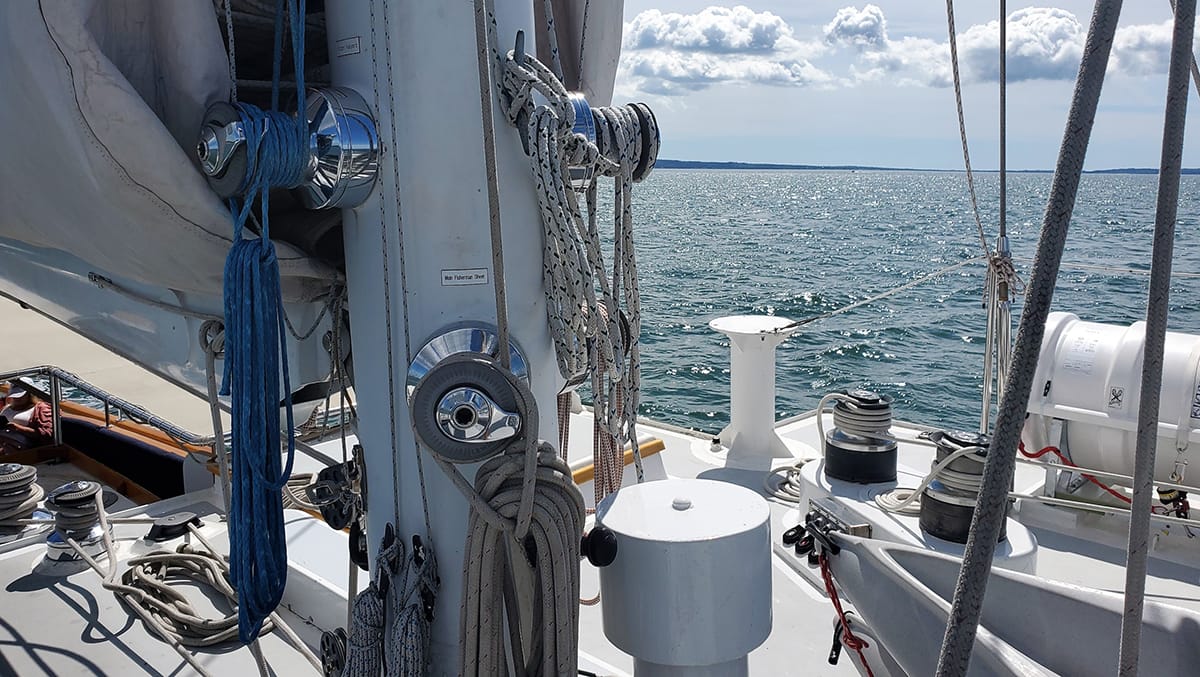
- Handling Lines
- Understanding Knots
- Maneuvering the Vessel
- Anchoring
- Understanding Navigation
- Dinghy Operation
- Port formalities (checking in and out)
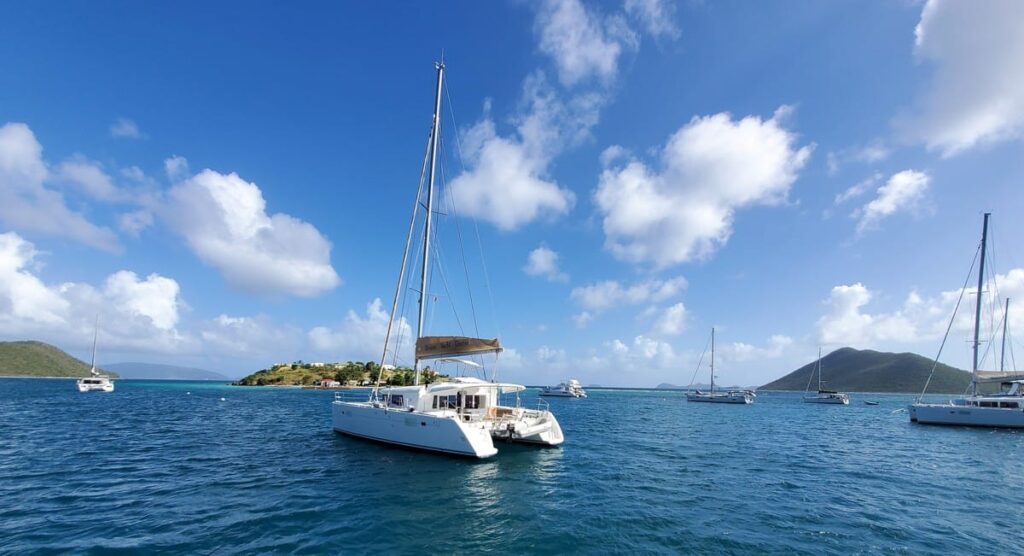
ASA 104 certification includes knowledge of seamanship and a certified sailor to ASA 104 will be able to:
Describe the information required and the procedure for tying a boat to a fixed dock in areas with a large tidal range.
– Describe the following multiple-anchor mooring procedures and their purposes:
- Fore & Aft Moor
- Forked Moor
- Bahamian Moor
- Mediterranean Moor
– Describe methods and potential dangers of rafting vessels at anchor.
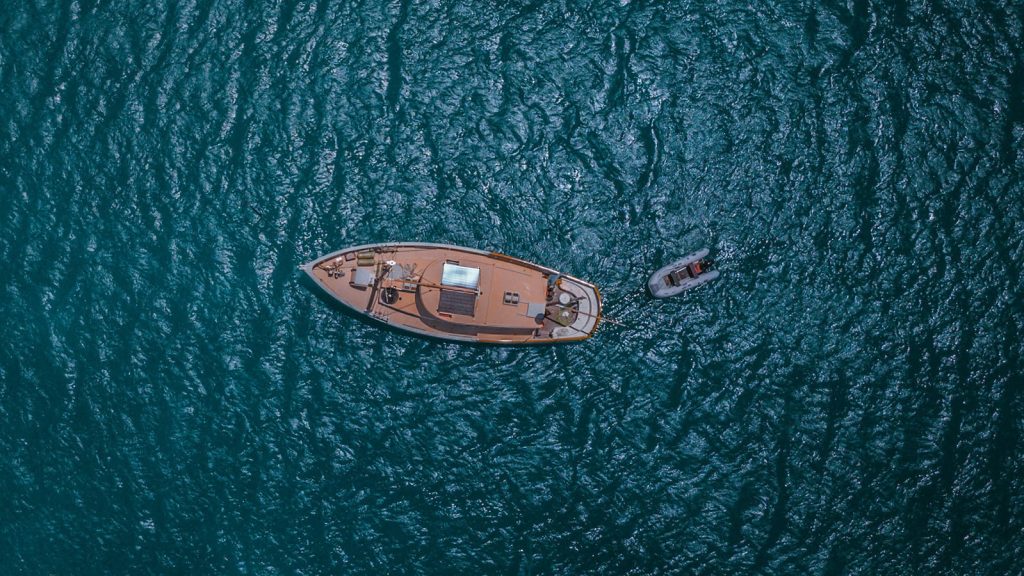
– Describe safe methods for towing and securing a dinghy / tender.
– Describe the preparation of the vessel for heavy weather sailing including gear stowage, crew safety, and appropriate sail plan.
– Describe the following courtesies and customs:
- Permission to board
- Permission to come alongside
- Courtesy in crossing adjacent boats when rafted
- Rights of the first boat in an anchorage
- Keeping clear of regattas
- Flag etiquette
- Rendering assistance to vessels in distress
– Describe, using diagrams as appropriate, the applicable rules (steering & sailing, lights, and sound signals) for a 30’ to 45’ recreational vessel, as found in the USCG Navigation Rules and Regulations Handbook.
Keen to get started?
- Read about our ASA Certifications our accredited schools teach to sailing enthusiasts.
- Find a Sailing School and take sailing lessons to improve your sailing skills.