Sailing Tips Archives - Page 2 of 5 - American Sailing

Articles in the category "Sailing Tips"

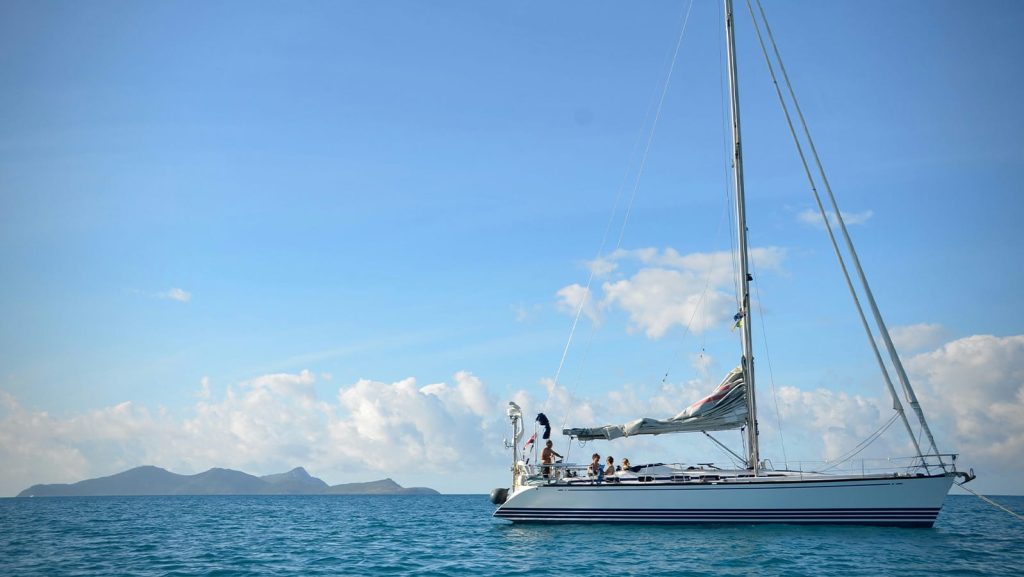
The Art of Anchoring

The art of anchoring. Learn techniques about types, scope, setting, and tips to keep your boat secure and your time on the water stress-free.
dont hog the helm

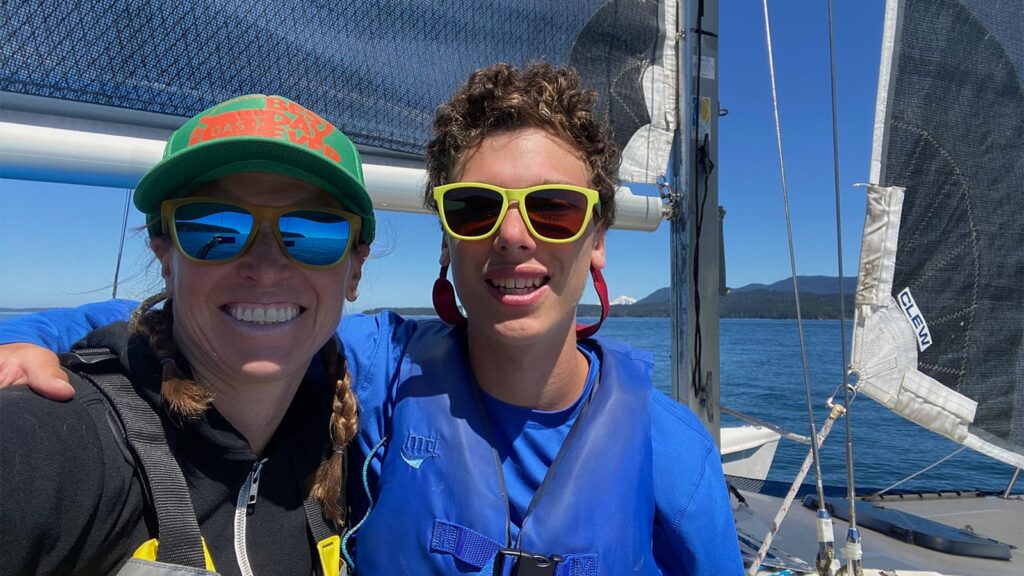
Don’t Hog The Helm

Sharing the helm turns passengers into sailors. Engage your guests, teach with patience, and make every sailing day unforgettable.
White Knuckle shuffle docked boat

The White-Knuckle Shuffle

Sometimes the greatest barrier to freedom on the water isn’t the sea itself but the stories we tell ourselves at the dock.
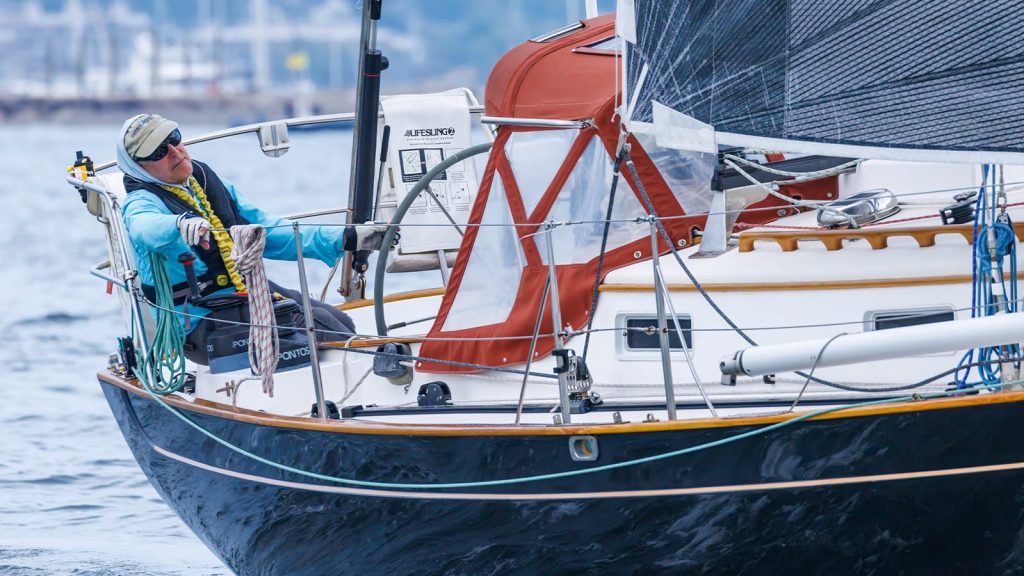
Heaving to

Heaving To

Sometimes the most valuable skill on the water is knowing how to pause. Creating balance between wind, sails, and sea allows sailors to find safety, rest, and clarity when it matters most.

Two Important Things

Key Lessons in Safety, Sail Handling, Docking, and Navigation

Situational Awareness

Pilots know exactly what this phrase means. For everyone else, the concept becomes clear with practice – lots of it. True situational awareness eventually becomes intuitive, but it starts as a conscious effort.

Sailing Lingo Decoded

Every community has its own language, and sailing is no different. Step aboard a sailboat, and you might suddenly feel like you’ve stumbled into a secret society with its own code. “Ease the sheets!” someone might shout. “Mind the boom!” another warns. You nod along, pretending to understand, while quietly wondering why ropes are called lines and the bathroom is a head.

Smooth Sailing Starts Ashore

Before you chase the horizon, take the time to inspect the boat that’ll carry you there. A smooth sail starts with smart preparation – topside, below deck, and in every system in between.

Prepare to Cross an Ocean

You might join a finely tuned crew with a seasoned skipper – or a boat making its first big leap. Either way, preparation is critical. Success offshore starts long before you leave the dock.

Wind vs. Wifi

There’s an old saying passed down through seasoned skippers: You don’t really know sailing until something goes wrong. No matter how many hours you spend watching videos or reading manuals, nothing prepares you quite like the sudden slap of wind, the crunch of a bad tack, or when your rigging breaks in the middle of a daysail.

Swimming with Outboards

When a 25HP Yamaha slipped into 16 feet of Caribbean water, a simple sail day turned into an unexpected recovery mission. What followed was a crash course in corrosion control, mechanical triage, and lessons in complacency. With quick thinking, fresh water, and a lot of patience, the engine was revived, starting on the first pull. This salty tale proves even sunken gear can be saved if you act fast, stay calm, and never underestimate the power of preparation.

Seasickness Prevention 101

Seasickness is a form of motion sickness triggered when the brain receives conflicting messages from the eyes, inner ears, and sensory nerves. While your body may be on a stable deck, your inner ears feel the rise and fall of the waves, and the disconnect can send your system into a tailspin.

How to Sail The West Coast of Vancouver Island

Hidden coves, towering cliffs, and untamed seas promise adventure to those bold enough to seek it.

Self-Taught or School-Taught Sailing: Which is Better?

When it comes to learning to sail, this old saying rings especially true. Whether you’re nervously approaching a crowded dock or reefing a mainsail as a squall builds, the ocean doesn’t wait for you to figure it out. So should you teach yourself, learn from friends, or take a course at a sailing school?

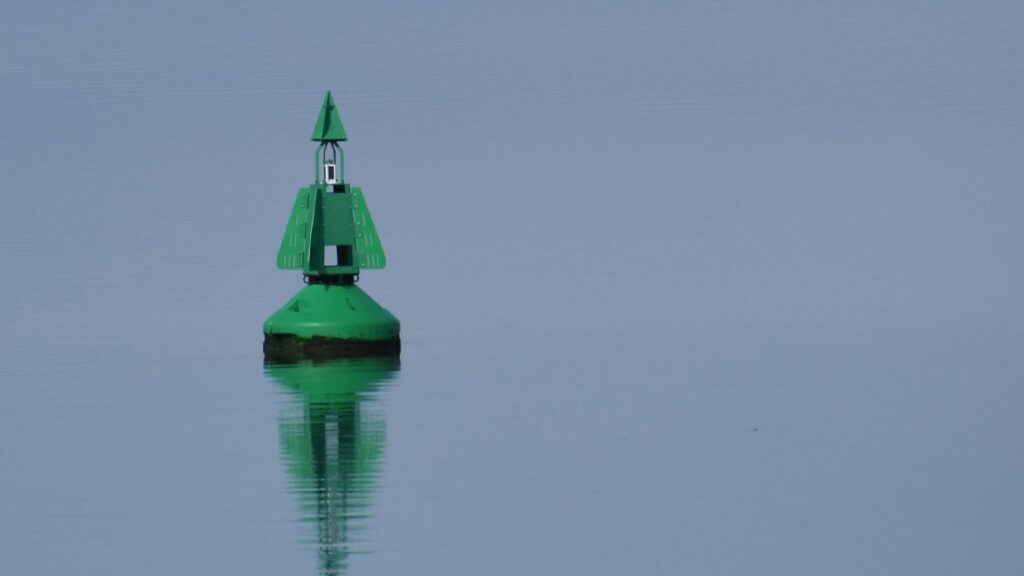
From 7-Up to Nuns in Red

Understanding the U.S. Aids to Navigation System (ATONs) is essential for safe and confident navigation. In this guide, you’ll get a clear explanation of how to distinguish channel markers, interpret their shapes and numbers, and remember their placement whether you’re sailing up the East Coast or out to sea.

Understanding Lift

If you’ve ever wondered how a sailboat moves forward – even when it’s not running with the wind – you’re not alone. It seems almost magical: a boat with no engine gliding to windward under nothing more than a sheet of cloth. But there’s a beautiful explanation behind it all, rooted in physics and refined by sailors over centuries. The secret? Lift.

Things a Marine Survey Can’t Tell You

Enhance your sailing skills by engaging all six senses—sight, hearing, touch, smell, taste, and intuition—to navigate, troubleshoot, and fully experience life on the water.

Sailing Through Stress: Understanding the Stress Continuum at Sea

Enhance your sailing skills by engaging all six senses—sight, hearing, touch, smell, taste, and intuition—to navigate, troubleshoot, and fully experience life on the water.